UK Guide to Used Electric Cars Under £10,000
Right then, let's get one thing straight: buying a used electric car for under ten grand isn't just a possibility anymore. For many people, it's actually a surprisingly sensible idea. Forget the headlines about eye-watering price tags on new EVs; for the cost of a tired, decade-old hatchback, you can genuinely wave goodbye to petrol stations forever.
Why a Cheap EV Is Not a Completely Mad Idea
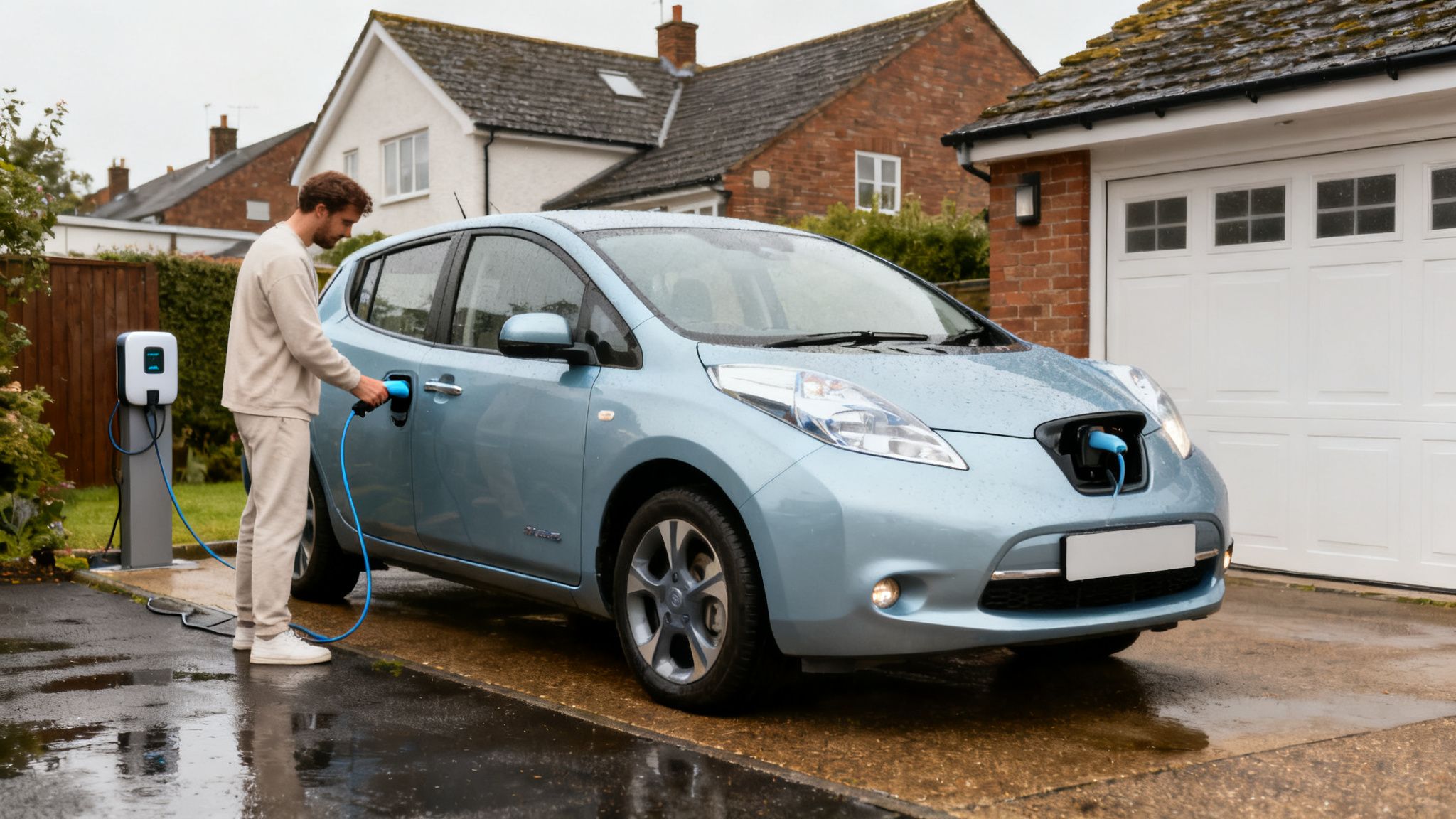
Let’s be honest. The phrase "cheap electric car" probably conjures up images of a glorified golf buggy with the range of a startled pigeon. It’s a rational fear, fuelled by years of scaremongering from your mate Dave down the pub, insisting the batteries will die faster than a houseplant in your care.
But the reality on the ground has changed. A lot. The market is maturing, and the early EV adopters are upgrading to shinier new toys. This means the classifieds are now littered with perfectly serviceable first-generation electric cars like the Nissan Leaf and Renault Zoe.
This isn't about finding a diamond in the rough; it's about realising the rough is full of perfectly decent, if slightly scuffed, diamonds. The UK's appetite for affordable electric motoring is booming. In fact, in May 2025, used battery electric vehicles (BEVs) smashed records, accounting for 6.34% of all retail used car sales . This surge shows a growing awareness that you don’t need a lottery win to go electric. You can see how the market is shifting in the full breakdown of these record-breaking EV sales figures.
The Mental Shift from Pump to Plug
The biggest hurdle isn’t the technology itself; it’s reprogramming your brain. You have to ditch the ingrained habit of making last-minute, panicked trips to the petrol station. Owning a budget EV is more like owning a smartphone—you simply top it up when it’s convenient, usually overnight while you’re asleep. This simple shift completely transforms your relationship with 'refuelling'.
Suddenly, your 'petrol station' is your driveway or a lamp-post charger down the road. The cost per mile plummets, and the smug satisfaction of cruising past a Shell garage with its ever-climbing prices is, frankly, priceless.
Tackling the Range Anxiety Bogeyman
Ah, range anxiety. The infamous monster under the EV bed. With most early used electric cars under £10,000, you’re looking at a realistic range of about 70-90 miles on a full charge—and maybe a bit less on a frosty January morning. Sounds terrifying, doesn't it?
Except, for most people, it really isn't.
Consider this: the average daily car journey in the UK is around 20 miles . Even with some battery degradation, a cheap EV has more than enough juice for the school run, the weekly shop, and the commute to the office. It's a second-car hero or a primary vehicle for those with predictable daily routines.
This guide is your reality check. We're here to cut through the marketing fluff and arm you with the unvarnished truth about what ten grand actually buys. Forget dreams of crossing continents; think of this as mastering your local area with zero emissions and minimal running costs. It’s not mad; it’s modern motoring on a budget.
So, What Electric Cars Can You Actually Get for Under £10,000?
Right then, let's have a proper look at the sub-£10k end of the used EV market. Be realistic: you're not getting a gleaming, long-range cruiser that’ll whisk you from London to Edinburgh on a single charge. What you are getting is a first-generation hero – one of the cars that proved to the world that you could run on a battery instead of a petrol tank.
Think of this as the identity parade of the usual suspects. I'm going to give you the straight-up, unvarnished truth about what they're like to live with, warts and all. We’re talking real-world range on a grim, rainy Tuesday in Stoke, not the fantasy figures from the original brochures.
The good news? It's a buyer's market right now. The UK's used EV scene is booming, with supply up a massive 42.4% and demand climbing 37.8% compared to last year. This has pushed a flood of older, more affordable models onto the market, making it a fantastic time to be a bargain hunter. You can dig into the full trend analysis of the UK's used car market for the nitty-gritty.
Now, let’s meet the main players.
The Granddaddy: Nissan Leaf (First Generation, 2011-2017)
The original Nissan Leaf is the car that started it all for the rest of us. It’s the Ford Model T of affordable electric cars – simple, a bit basic by today's standards, but it just works. You’ll mainly find two battery options: the early 24kWh and, from 2016 onwards, the slightly bigger 30kWh version.
For under a tenner, you’re almost certainly looking at a 24kWh model. When new, Nissan claimed it could do 124 miles. After a decade of use? You should budget for a realistic 60-70 miles in the summer and brace yourself for as little as 45-50 miles when the frost hits. It's not glamorous, but for a local runabout, it’s brutally effective and costs pennies to run.
- Watch Out For: The battery health display. It shows 12 bars when new; a car showing only 8 or 9 bars has suffered significant degradation. Also, listen for creaks from the suspension on a test drive and make sure the onboard charger is working correctly – a surprisingly common and pricey failure.
- Best Suited For: The pragmatist. If your daily driving is totally predictable and well within a 20-mile radius of your home charger, it’s the perfect second car for school runs and trips to Tesco.
The Chic Supermini: Renault Zoe (2013-2019)
The Renault Zoe is the stylish French cousin to the Leaf's sensible Japanese uncle. It’s a bit nicer to drive, the interior feels a bit more special, and it generally gives you more range for your money. Early models with the 22kWh battery can realistically manage 70-80 miles , while the later 41kWh versions (which just about sneak into our budget if you're lucky) can push that to a very usable 120-150 miles .
But there’s a massive catch. A fly in the ointment so big it needs its own postcode: the battery lease.
The infamous Renault battery lease meant you bought the car, but you rented the battery from Renault. The monthly fee could be anywhere from £49 to £99 . This made the car's sticker price deceptively low. While some are now "battery owned," you must clarify this before even thinking about a test drive.
A "battery owned" Zoe is a fantastic used buy. A leased one, however, is a financial ball and chain you really don't want.
The Quirky Upstart: BMW i3 (2013-2022)
Yes, you can actually get a BMW for under ten grand! The i3 is a masterpiece of brilliant, slightly bonkers engineering, from its carbon-fibre body and skinny tyres to its "suicide" rear doors. It’s an absolute hoot to drive – zippy off the line and incredibly nimble around town.
Early models pack a 22kWh battery, giving you a realistic range of about 70-80 miles . The real trump card, though, is the optional Range Extender (REx) model. This version has a tiny two-cylinder petrol engine from a scooter that kicks in to generate electricity when the battery gets low, pretty much banishing range anxiety for good.
- Common Gripes: The ride is quite firm, those skinny tyres are expensive and seem to attract punctures, and the REx engine needs servicing like a normal car, which adds to the running costs.
- Best Suited For: The style-conscious city driver who wants something fun, futuristic, and a bit different. The REx model is the perfect choice for someone who mostly does short trips but needs the flexibility for an occasional longer journey without the stress.
To help you size them up at a glance, here’s a quick rundown of what you’re getting into with each of these popular sub-£10k contenders.
Sub £10k EV Showdown: Key Specs and Common Gripes
| Model | Typical Price | Realistic Range (Winter/Summer) | Watch Out For | Best Suited For |
|---|---|---|---|---|
| Nissan Leaf (24kWh) | £5,000 - £8,000 | 45 / 70 miles | Battery health (look for 10+ bars), faulty onboard chargers, suspension knocks. | The ultra-pragmatic second-car owner. Perfect for predictable school runs and local errands. |
| Renault Zoe (22kWh) | £6,000 - £9,000 | 60 / 80 miles | THE BATTERY LEASE! Ensure it’s "battery owned." Also, check for electrical gremlins. | The city dweller who wants a bit of style and a more modern-feeling interior than the Leaf. |
| BMW i3 (22kWh) | £8,500 - £10,000 | 65 / 80 miles | Firm ride, expensive skinny tyres, and servicing costs if you get the REx version. | The design-conscious driver wanting a premium badge and a fun, unique experience. |
| BMW i3 REx | £9,500+ | 120-150 miles (combined) | All of the above, plus the added complexity and maintenance of the small petrol engine. | Those with range anxiety who need a safety net for the odd long-distance trip. |
Ultimately, choosing between these cars comes down to your personal priorities: are you after the cheapest-possible running costs (Leaf), a bit more style and range (Zoe), or a unique and premium driving experience (i3)?
How to Inspect an EV Battery Without Crying
Right, let's get to the heart of the matter. The big, expensive, lithium-ion elephant that powers the car you’re looking at. When you're shopping for a used electric car under £10,000, forget mileage for a moment. The battery's State of Health (SoH) is the only metric that truly matters.
SoH is just a fancy way of saying how much charge the battery can hold today compared to when it rolled off the factory line. I like to think of it like a favourite jumper. When you first bought it, it was perfect. After a hundred washes, it’s still a perfectly good jumper, but it's probably a bit faded and stretched. A used EV battery is much the same—it naturally degrades over time.
Research consistently shows that, on average, an EV battery loses about 2.3% of its capacity per year. So, an eight-year-old car should theoretically still have over 81% of its original range. That’s perfectly usable for most people, but a battery that’s been hammered will degrade much, much faster. Your job is to spot the knackered ones.
The whole vetting process can feel a bit daunting, I know. But it really just boils down to a few key stages: a proper inspection, a meaningful test drive, and a forensic look at the paperwork.
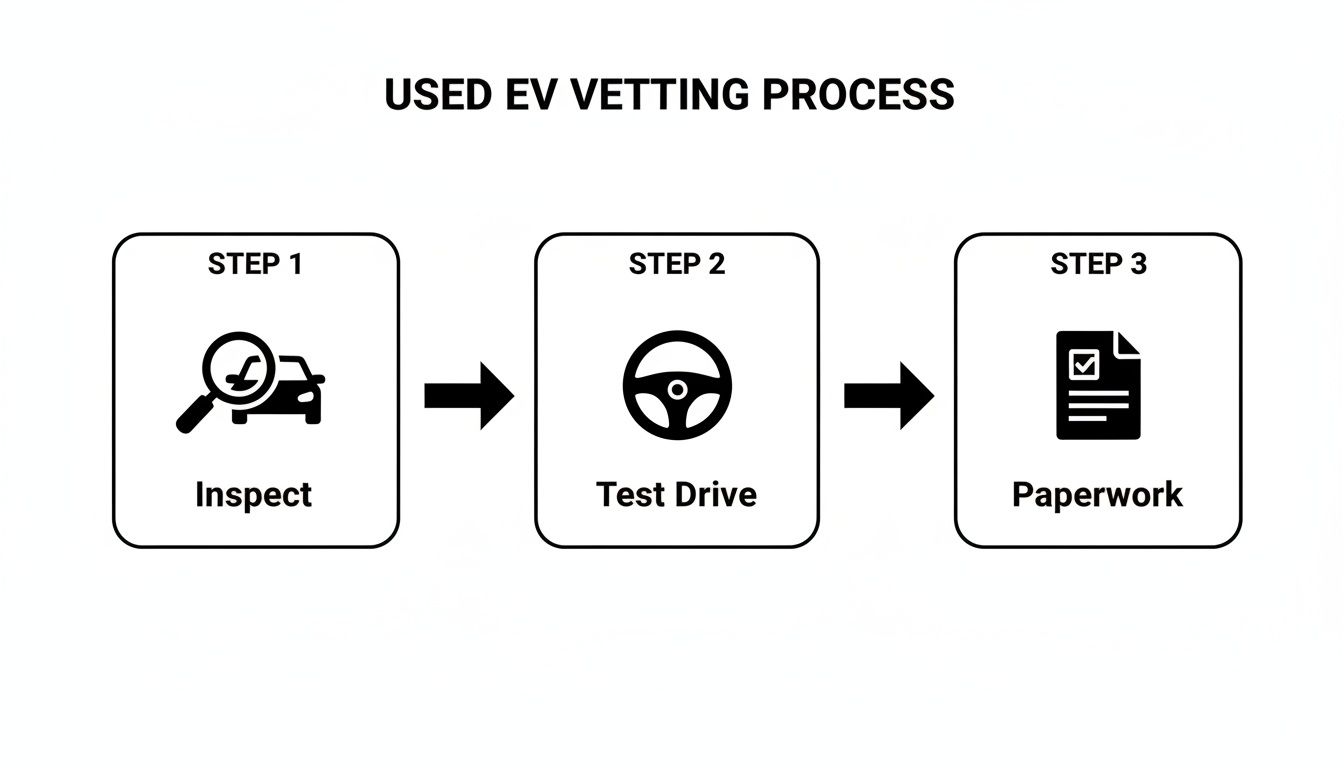
Stick to this simple process, and you’ll cover all the bases, from the physical condition of the car to the health of its most critical—and expensive—component.
Your DIY Battery Health Check
You don't need a degree in electrical engineering or a van full of diagnostic gear to get a decent idea of a battery's condition. All it takes is a bit of observation and some simple maths. Here’s my practical, no-nonsense method to use when you go to view a car.
1. Arrive with a Plan Ring the seller beforehand and ask them to fully charge the car for your arrival. If they seem cagey about this, that's your first red flag. A healthy battery should have nothing to hide.
2. Check the "Guess-o-Meter" When you get in the car, take a look at the range displayed on the dashboard. We in the EV world affectionately call this the "Guess-o-Meter." On a full charge, it should be reasonably close to the car's original official range. For an early 24kWh Nissan Leaf, this might be around 80-90 miles. If it's showing something pitifully low, like 55 miles, you’ve almost certainly found a tired battery.
3. The Litmus Test Drive Take the car for a decent 10 -mile spin on a mix of roads. Make sure you get it on a stretch where you can hit 50-60 mph. You need to pay close attention to two things: how many miles of range disappear from the dash versus how many miles you’ve actually driven. If you drive 10 miles and the range plummets by 20 , that battery is struggling to hold its charge under load.
A healthy battery's range estimate should drop roughly in line with the actual distance you cover. It's not an exact science, but it’s a brilliant real-world indicator that separates the good batteries from the duds.
The Infamous Renault Zoe Battery Lease
Now for a special warning. If you’re looking at an older Renault Zoe, you absolutely must ask one question before any others: "Is the battery owned or leased?"
In the early days, Renault had this clever idea to sell the car but rent the battery separately for a monthly fee. This made the initial purchase price look incredibly tempting, but it saddles the owner with a never-ending payment of £50-£100 a month . Finding a "battery owned" or "battery inclusive" Zoe is critical. Otherwise, you’re not really buying a car; you’re signing up for a very expensive subscription for a component you'll never own. My advice? Walk away from leased batteries. Seriously.
Checking a battery’s health isn't black magic. By using the car's own display and a bit of common sense, you can dodge the single biggest financial pitfall of buying a cheap EV. For a deeper dive, you can learn more about how to interpret the often-confusing world of EV battery health reports in our detailed guide. It’ll give you the confidence to tell a solid power pack from a ticking time bomb.
Where to Find Your Electric Bargain
Right, you’ve got your head around the specs and you reckon you can spot a tired battery at fifty paces. Now for the fun part: actually hunting down one of these mythical used electric cars under £10,000 . The UK market is full of them, but they’re scattered across different corners of the internet and the country. Knowing where to look is half the battle.
Make no mistake, the used EV market is booming. The latest figures from Q3 2025 show that sales of second-hand battery electric vehicles shot up by a staggering 44.4% , hitting over 80,000 units . This surge is fantastic news for us, as it pushes perfectly good older models down into our budget. You can dig into the numbers yourself with these EV sales statistics on webuyanycar.com. Your job is to sift through this growing sea of cars to find a real gem.
The Big Online Marketplaces
Your first stop will almost certainly be the big online players like Auto Trader , Motors.co.uk , and Gumtree. Think of these sites as enormous, sprawling car supermarkets where your perfect EV might be hiding between a dodgy builder's van and a suspiciously cheap convertible.
- The Good: The sheer volume is their greatest advantage. You can filter everything by price, model, and location, giving you a brilliant overview of what’s out there and what things are really selling for.
- The Bad: It's a complete free-for-all. You’ll find everyone from slick main dealers to private sellers who haven't a clue what they're talking about. You need to have your wits about you here.
For a more focused list of the best places to start looking, have a read of our guide to the 7 best second-hand electric car sites in the UK.
Specialist EV Dealers
Next up are the specialists – dealers who live and breathe electric cars. These places are often run by proper EV geeks who’ve forgotten more about this stuff than most main dealers will ever know. You might pay a little more, but what you get in return can be priceless.
These dealers are the experts. They understand battery health, they know the common quirks of each model, and they can answer your nerdiest questions without having to pop off and ask their manager. That peace of mind can be worth every extra penny.
They’ve also done a lot of the initial hard work for you by filtering out the real duds. If you’re feeling a bit nervous about making your first EV purchase, starting with a specialist is a very smart move.
The Wild West of Private Sales
Finally, we have the world of private sales on platforms like Facebook Marketplace and eBay. This is where the absolute bargains live… but it's also where the most catastrophic lemons are lurking. It’s a high-risk, high-reward game that demands a good dose of confidence and a healthy bit of scepticism.
Buying privately means you get no warranty and no comebacks. You’re more likely to run into a seller who is either deliberately hiding something or is just blissfully unaware of the car's real condition. You absolutely must go in armed with a checklist and be totally prepared to walk away.
Your Private Sale Survival Kit:
- Always run an HPI check: Don’t just take their word for it. Check if it has outstanding finance or has been written off.
- Meet at their home: If they suggest a supermarket car park or a random lay-by, just walk away. It’s a huge red flag.
- See the V5C logbook: Make sure the seller's name and address on the document match the person you're dealing with and their ID.
Learning how to navigate these different hunting grounds is the key. Get it right, and you'll dramatically boost your chances of finding a great used EV under £10,000 that won't leave you stranded and full of regret.
Your Essential Pre-Purchase Checklist
So, you’ve found a car that looks promising. The price is right, it’s not a questionable shade of beige, and the owner seems genuine enough. Before you get carried away with visions of silently gliding past petrol stations, it's time to put on your detective hat.
This is more than the old 'kick the tyres' routine. For an EV, you need to be a bit more methodical. This checklist is your script for uncovering any hidden issues that could turn your brilliant bargain into a very expensive, immobile garden ornament. Let's dive in.
Cables, Ports, and Power
Your first port of call should be the boot. Every used EV should come with at least one charging cable. As a minimum, you're looking for the 'granny charger', which is the one that plugs into a normal 3-pin household socket . Ideally, there will also be a Type 2 cable for connecting to the thousands of public AC chargers.
If either of these is missing, make a note. They can cost a few hundred quid to replace, so that’s an immediate bargaining chip.
Next up, the charging ports themselves. Most older EVs you’ll be looking at have two of them:
- An AC port (usually a Type 2 connector) for the slower charging you'd do at home or at a supermarket.
- A DC port (often a CHAdeMO on a Nissan Leaf or a CCS on a Renault Zoe) for those essential rapid charges on longer trips.
Have a proper look at the ports. Are there any bent pins, cracks in the plastic, or signs of heat damage? A broken flap might seem like a minor cosmetic issue, but it can let in moisture and cause serious electrical gremlins down the line.
Here's the most crucial test of all: plug it in. Ask the seller if you can connect the granny charger to their wall socket. Watch the dashboard light up and confirm the car is actually taking a charge. If you have the chance, drive it to a local rapid charger and test that DC port, too. A faulty rapid charging system makes any journey beyond the city limits a massive headache.
The Test Drive Interrogation
Once you’re on the move, your senses are your best tools. Yes, EVs are quiet, but they are far from silent. Listen carefully for any unusual whining from the motor as you accelerate or slow down. A changing pitch could hint at wear in the motor bearings.
The extra weight of the battery pack also puts more strain on suspension components, so listen out for any clonks, rattles, or bangs over bumps in the road.
While driving, it’s time to ask some direct questions. Don’t be timid – it’s your money on the line.
Sharp Questions for the Seller:
- “What was your typical charging routine?” This is a great way to gauge how the battery has been treated. If they only ever rapid-charged it to 100% , that's a red flag for battery health. Gentle, slow overnight charging is what you want to hear.
- “Can I see the full service history, please?” EVs have fewer moving parts, but they still need regular inspections of the brakes, coolant systems, and high-voltage battery. Any significant gaps in the service record should make you wary.
- “Have you ever seen any warning lights or error messages on the dash?” Pay close attention to how they answer this. A vague "oh, it does that sometimes" is not the reassurance you're looking for.
Keep an eye on the dashboard display yourself. The 'turtle' symbol is a universal sign that the car has entered a low-power "limp home" mode. A battery warning light could be a precursor to a very, very expensive failure. If you see either, don't be talked down – just walk away. A thorough inspection like this is what separates a smart buy from a costly mistake.
Living with a Budget Electric Car
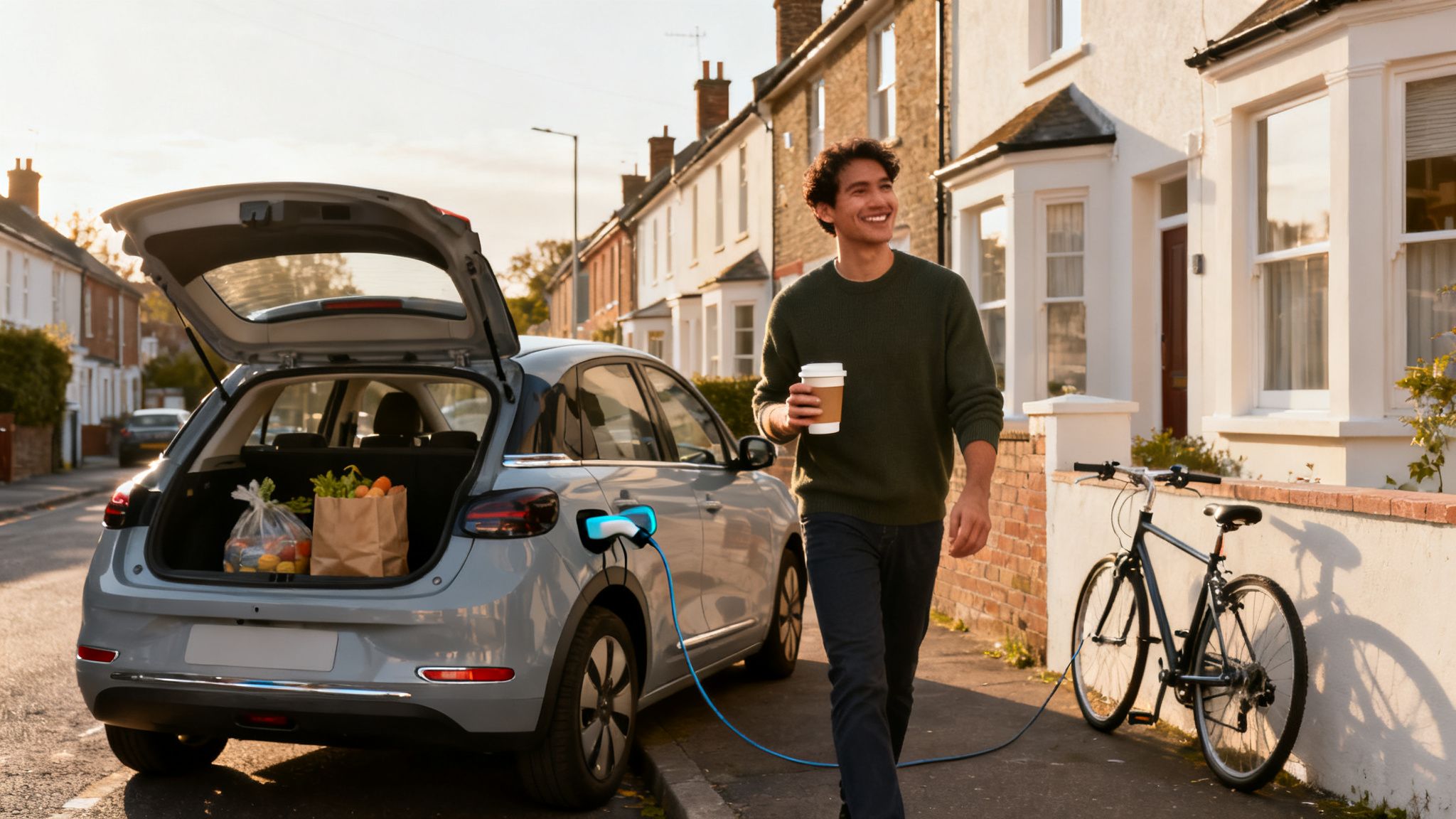
Right, you’ve done it. You’ve handed over your cash and are now the proud owner of a used electric car. Congratulations on officially joining the smug club! But what’s it actually like to live with a budget EV day-to-day?
Let’s get the big one out of the way first: running costs. The most obvious saving, of course, is fuel. If you can charge at home on an off-peak electricity tariff, you could be paying as little as 7p per kWh . For an older Nissan Leaf, a full charge might only set you back about £1.50, giving you around 70 miles of real-world range. Compare that to the price of petrol and the savings are almost comical.
Relying on the public charging network, however, is a very different – and much pricier – ball game. Rapid chargers can cost anywhere from 50p to 80p per kWh , which can make a full charge nearly as expensive as a tank of unleaded. A cheap EV really makes the most financial sense when you can do most of your charging at home.
Mastering the Art of Range Maximisation
When you’ve got a smaller battery, you quickly become a master of efficiency. It’s less about anxiety and more about turning it into a game. You’ll soon learn to love the mystical powers of regenerative braking , which sends a little bit of energy back into the battery every time you lift off the accelerator. Smooth, gentle driving suddenly becomes second nature.
Here are a few tricks of the trade to squeeze every last mile from your battery:
- Pre-Conditioning is Your Best Friend: If the car is plugged in, use the pre-heat or pre-cool function before you set off. This gets the cabin to a comfortable temperature using mains power, not your precious battery, saving you a huge chunk of range on a cold morning.
- Embrace the Eco-Mode: Yes, it might dull the throttle response to that of a sedated snail, but it’s brutally effective at conserving power when you need it.
- Tyre Pressures are Key: Under-inflated tyres increase rolling resistance and sap your range. It’s a simple thing, but checking them weekly really makes a difference.
The Surprising Joy of Low Maintenance
One of the most glorious aspects of owning a cheap EV is what you don’t have to do. Say goodbye to oil changes, cambelt replacements, exhaust systems, and spark plugs. The list of things that can’t go wrong is delightfully long.
Your annual service becomes little more than a check of the brakes, suspension, tyres, and a top-up of the screenwash. This simplicity translates directly into lower maintenance bills, often saving you hundreds of pounds a year compared to a petrol or diesel equivalent of the same age.
Of course, the battery is still the single most expensive component. But as we’ve covered, a well-cared-for unit is surprisingly resilient. Getting your head around the real-world likelihood and cost of a replacement can put your mind at ease. You can learn more in our no-nonsense guide to electric car battery replacement costs.
Living with one of the many used electric cars under £10,000 is really about a shift in mindset. It’s about planning ahead, embracing a gentler driving style, and enjoying the quiet satisfaction of running a car for pennies. It’s not just a vehicle; it’s a whole new way of motoring.
Your Burning Questions About Cheap EVs Answered
Right, you’ve read this far. This means you’re either seriously considering a budget EV or you just enjoy reading about potential car-buying minefields. Either way, you probably have a few questions buzzing around. Let's get them answered.
How Much for a Home Charger Installation?
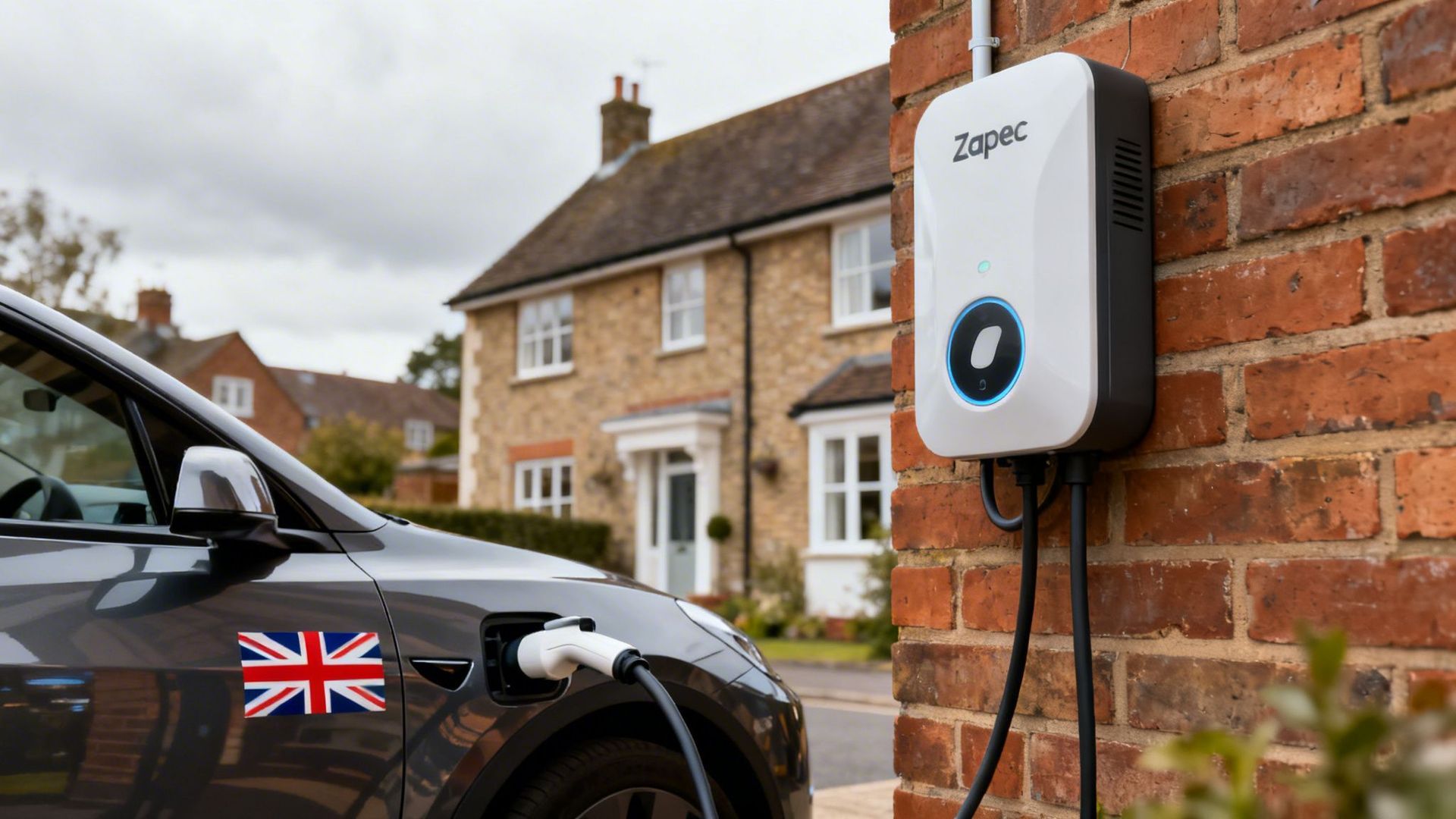
This is the big one. While you can get by trickle-charging from a standard 3-pin socket, it’s painfully slow. For a proper home wallbox, you’ll need to budget somewhere between £800 and £1,200 for the unit and a professional installation.
It’s a steep upfront cost, no doubt about it. But think of it as a vital investment. A home charger completely changes the ownership experience, letting you tap into cheap overnight electricity tariffs. That's where the real running cost savings are.
Can I Rely Solely on Public Chargers?
In a word? No. Trying to run a cheap, short-range EV using only the public charging network is asking for trouble. It's a surefire way to experience "range anxiety" at its most potent. You'll pull up to find chargers out of order, already in use, or just plain refusing to work.
Treat public charging as your backup plan for the occasional longer journey, not your day-to-day solution. The real magic of owning an affordable EV is waking up every morning to a 'full tank' that's cost you just a few quid. That only happens with home charging.
Is Insurance More Expensive for an Electric Car?
It certainly can be. Insurers are still a bit wary of EV repair costs, particularly anything involving the battery. This has led some to inflate their premiums, while a few have even stopped covering certain electric models entirely.
That said, it isn't a deal-breaker. The key is to shop around properly on comparison sites before you even view a car. For older models like the Nissan Leaf, many owners find the insurance cost is pretty much on par with a similar petrol car. Get a few quotes first so you know what you’re in for.
What if the Main Battery Fails?
Ah, the nightmare scenario: a bill for thousands to replace the battery. The reality is, total battery failure is incredibly rare. What's far more likely is a gradual degradation over time until the range just isn't practical for you anymore.
When that day comes, you're not stuck with a worthless car. A growing network of independent specialists can now diagnose and repair battery packs, often by replacing individual faulty cells. It's a much, much cheaper route than going to a main dealer for a brand-new battery and can keep the car on the road for years to come.
At VoltsMonster , we cut through the hype to give you the straight-talking advice you need on electric motoring. For more brutally honest guides and EV reviews, check out our latest articles at https://www.voltsmonster.com.
VoltsMonster Electric Vehicle Blog