The Rise of Electric Vehicles - How EVs are Shaping the Future of Transportation
Driving Change: How Electric Vehicles Are Shaping Sustainable Transportation for Tomorrow

The Rise of Electric Vehicles - How EVs are Shaping the Future of Transportation
Electric vehicles are revolutionizing the future of transportation, sparking a transformative shift in how we think about mobility and sustainability. As technological advancements propel the EV market forward, they are paving the way for a more sustainable transportation system, supported by both government incentives for EVs and expanding charging infrastructure. At VoltsMonster, we're committed to being your trusted source for everything electric vehicles, providing insights and updates that empower you to be part of this dynamic evolution. Whether you're an entrepreneur looking to explore new opportunities in EV technology or a consumer eager to embrace eco-friendly driving, the rise of electric vehicles offers a compelling vision of the future. Join us as we delve into the exciting potential that lies ahead in the world of sustainable transportation.
The Surge of Electric Vehicles:
Technological Advancements Drive Adoption
Electric vehicles are increasingly becoming a staple in everyday transportation, thanks to significant technological advancements. Key improvements in battery technology have extended the range and increased the efficiency of EVs. Modern electric cars can travel further on a single charge, greatly reducing the range anxiety that early adopters once faced. This enhanced performance is attributed to advances in lithium-ion battery technology, which provide more energy density and faster charging capabilities. Moreover, innovations in software for energy management allow these vehicles to optimize power usage, further extending range and efficiency. These technological strides not only make electric vehicles more appealing to consumers but also position them as viable competitors to traditional gasoline-powered cars. As a result, the EV market is rapidly expanding, with more consumers and businesses considering electric vehicles as a sustainable transportation option. This shift is driving the adoption of electric vehicles across various sectors, from personal use to commercial applications.
Environmental Concerns Fuel Demand
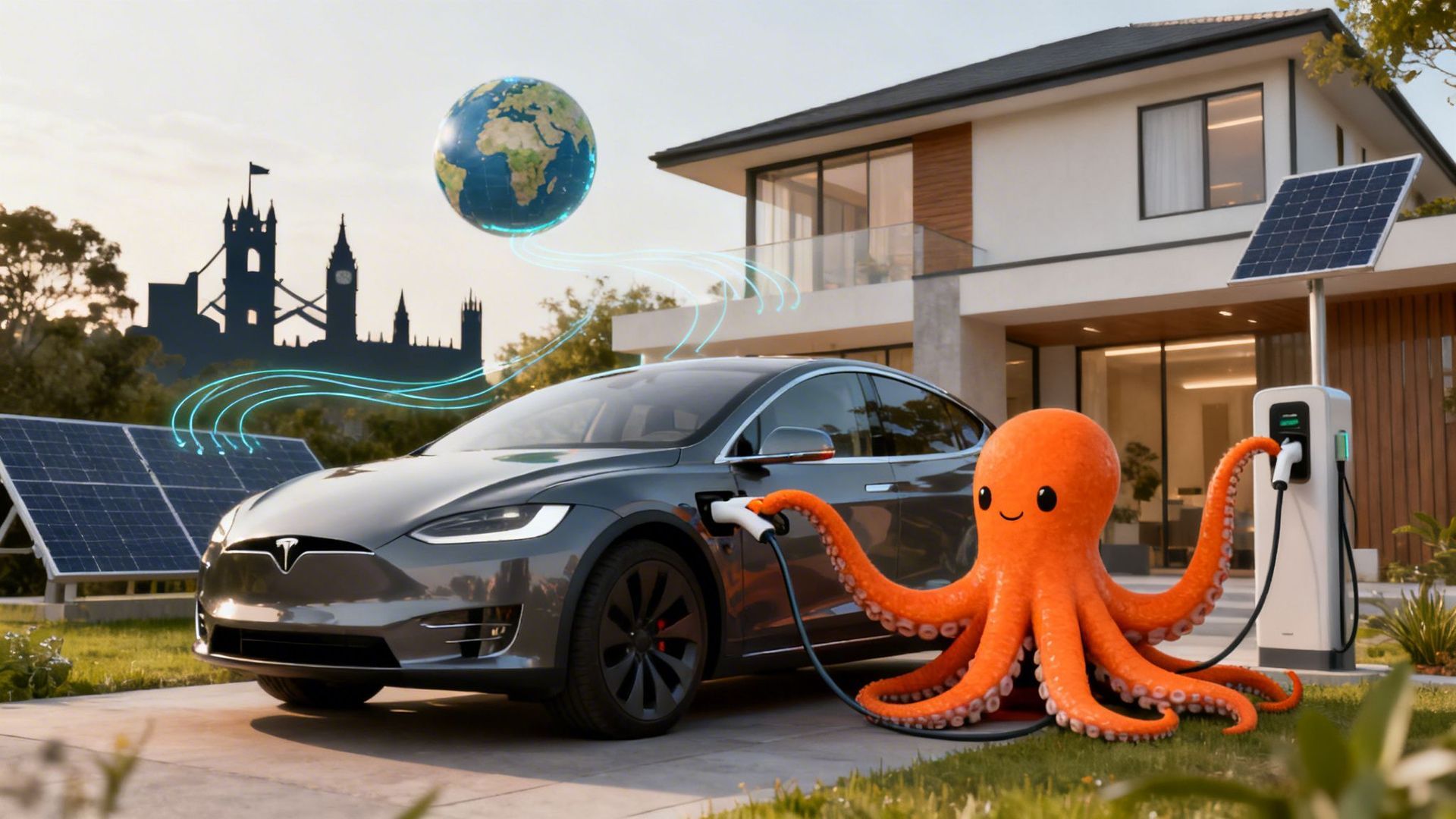
Growing environmental concerns are a significant driver behind the increasing demand for electric vehicles. As awareness of climate change and its impacts intensifies, more consumers are seeking sustainable transportation alternatives. Electric vehicles, which produce zero tailpipe emissions, offer a cleaner option compared to traditional gasoline-powered cars. This shift not only helps reduce air pollution but also contributes to lower greenhouse gas emissions, aligning with global efforts to combat climate change. Additionally, the EV market benefits from the integration of renewable energy sources, such as solar and wind, into charging infrastructure, further reducing the carbon footprint of electric vehicles. This eco-conscious approach resonates with environmentally aware consumers, making EVs an attractive choice. As governments and organizations worldwide continue to advocate for cleaner energy solutions, the demand for electric vehicles is set to grow, reinforcing their role in a sustainable transportation future. Such environmental considerations play a crucial role in shaping consumer preferences and driving the adoption of EV technology.
Government Incentives for EVs
Government incentives play a pivotal role in accelerating the adoption of electric vehicles. To promote sustainable transportation, many countries offer a range of incentives to encourage consumers to switch to EVs. These incentives often include tax credits, rebates, and reduced registration fees, significantly lowering the initial cost barrier for potential buyers. For example, in the United States, federal tax credits can reduce the purchase price of an EV by up to $7,500, depending on the vehicle's battery capacity. Additionally, local governments may offer further benefits such as access to carpool lanes, free parking, or exemptions from congestion charges. These incentives not only make electric vehicles more affordable but also signal strong governmental support for reducing carbon emissions and transitioning to cleaner energy sources. As a result, these policies are crucial in shaping consumer behavior and fostering the growth of the EV market, ultimately contributing to a more sustainable transportation future.
Impacts on Modern Transportation:
Enhancing Urban Mobility
Electric vehicles are significantly enhancing urban mobility by addressing challenges associated with city living. One of the primary benefits is the reduction of noise pollution, as EVs operate much more quietly than their gasoline counterparts. This creates a more pleasant urban environment, improving the quality of life for city dwellers. Additionally, with zero tailpipe emissions, electric vehicles contribute to improved air quality, which is crucial in densely populated areas where pollution levels are often high. The integration of EVs into urban transportation systems also supports the development of sustainable public transit options, such as electric buses and trams, further reducing the reliance on fossil fuels. Moreover, cities are increasingly adopting electric vehicle-sharing programs, providing flexible and eco-friendly transportation alternatives for residents and visitors. These advancements not only make urban areas more livable but also align with broader efforts to create sustainable and smart cities, addressing both current and future mobility needs.
Innovations in Vehicle Design
The rise of electric vehicles is driving significant innovations in vehicle design, reshaping the automotive landscape. Unlike traditional cars, EVs offer more design flexibility due to fewer mechanical constraints, such as the absence of a conventional engine and transmission system. This has allowed manufacturers to experiment with new forms, optimizing space and aerodynamics. For instance, many electric vehicles feature a flat floor design, providing extra cabin space and comfort. Additionally, advancements in materials science are enabling the use of lightweight, durable materials, which enhance efficiency and performance. These innovations are not limited to aesthetics; they also include integrating advanced technologies like autonomous driving systems and smart connectivity features, which improve the overall driving experience. As a result, electric vehicles are not only becoming more appealing and functional but are also setting new standards in automotive design. This trend highlights the potential of EVs to lead the way in the future of transportation, emphasizing innovation and sustainability.
Economic Opportunities in the EV Market
The expansion of the electric vehicle market is generating substantial economic opportunities across various sectors. As the demand for EVs grows, so does the need for new infrastructure, such as charging stations, which creates jobs in construction, installation, and maintenance. Moreover, advancements in battery technology spur growth in the manufacturing sector, requiring skilled workers for production and innovation in energy storage solutions. Additionally, the rise of EVs is driving the development of new supply chains, particularly for critical materials like lithium and cobalt, which are essential for battery production. This shift offers opportunities for mining and materials processing industries. Furthermore, the EV market encourages investments in renewable energy sources, as they are crucial for powering electric vehicles sustainably. These developments not only contribute to job creation but also promote economic diversification and resilience. As a result, the growth of the EV market plays a pivotal role in shaping economic landscapes, fostering sustainability, and driving technological advancement.
Challenges and Future Prospects:
Advancing Battery Technology
Advancing battery technology is crucial to overcoming current challenges in the electric vehicle market and ensuring its future growth. While significant progress has been made in enhancing battery efficiency and reducing costs, further innovation is necessary to address limitations such as range and charging times. Researchers are exploring new materials, like solid-state batteries, which promise higher energy density, increased safety, and faster charging capabilities compared to conventional lithium-ion batteries. These breakthroughs could potentially double the range of electric vehicles and significantly reduce charging durations, making EVs more appealing to a broader audience. Additionally, advancements in battery recycling processes aim to reduce reliance on finite resources and minimize environmental impact. As the EV market continues to expand, sustained investment in research and development is essential to drive these technological improvements. Ultimately, advancing battery technology will play a pivotal role in making electric vehicles a more viable and sustainable transportation option globally.
Expanding Charging Infrastructure
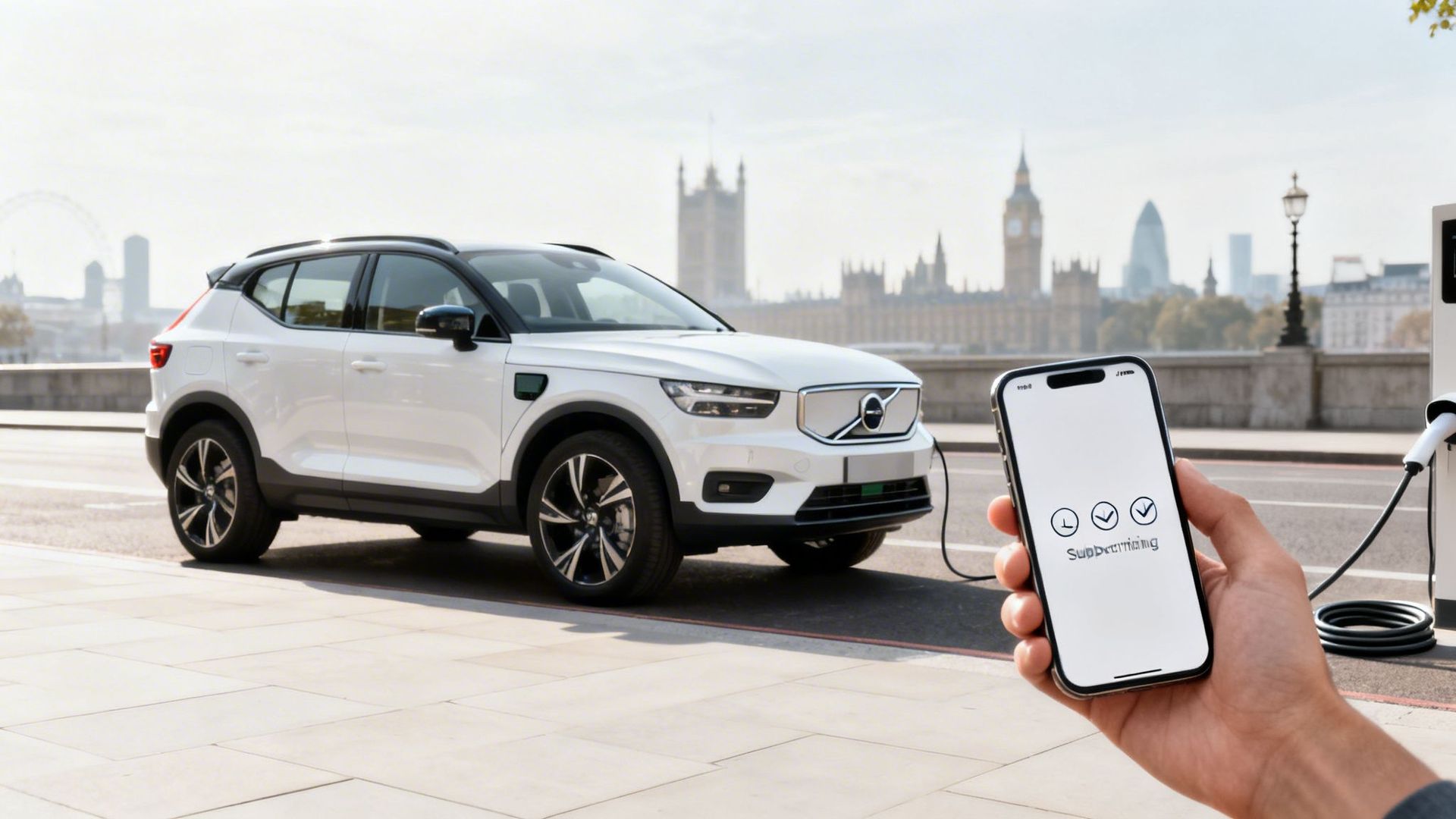
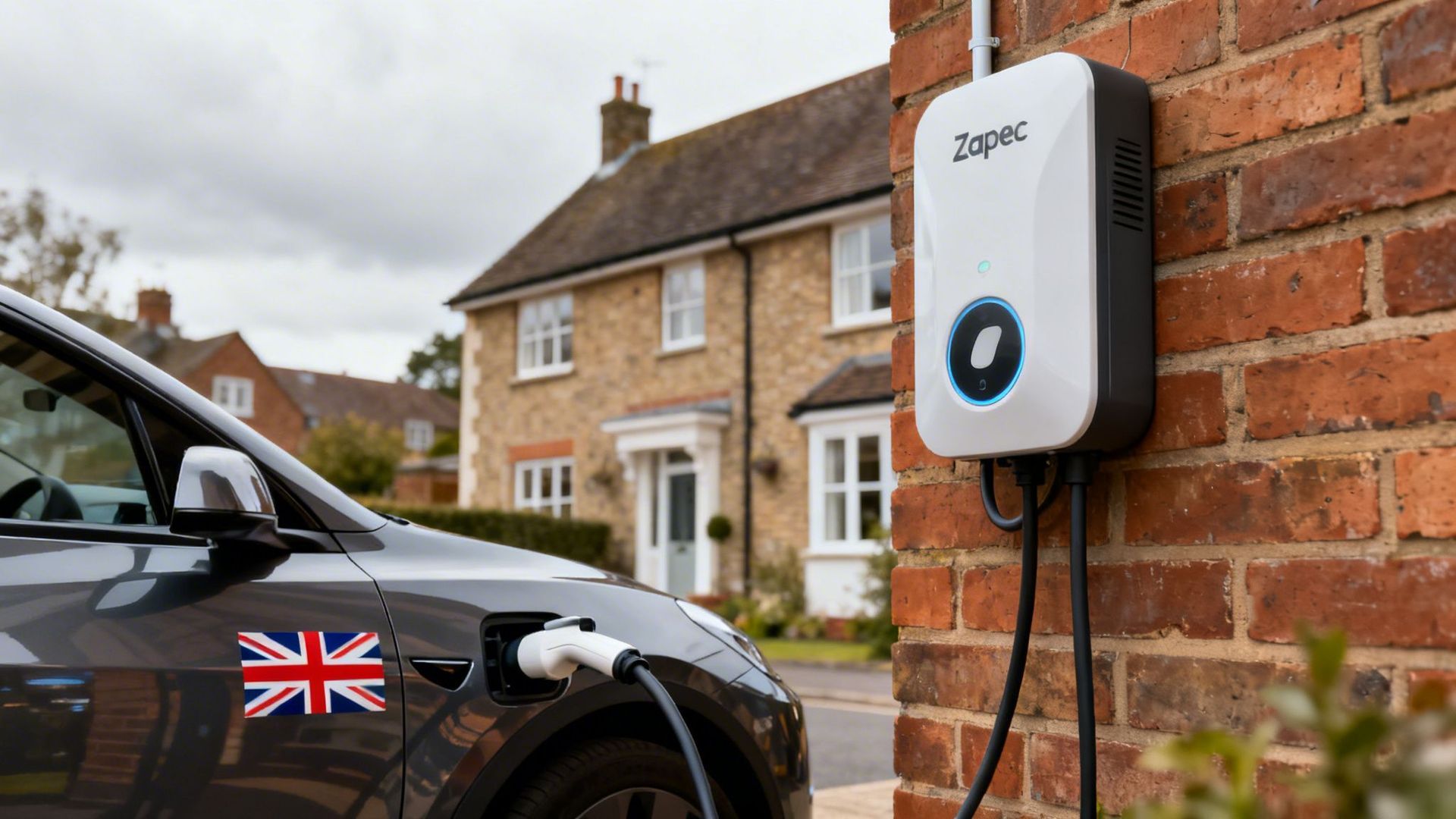
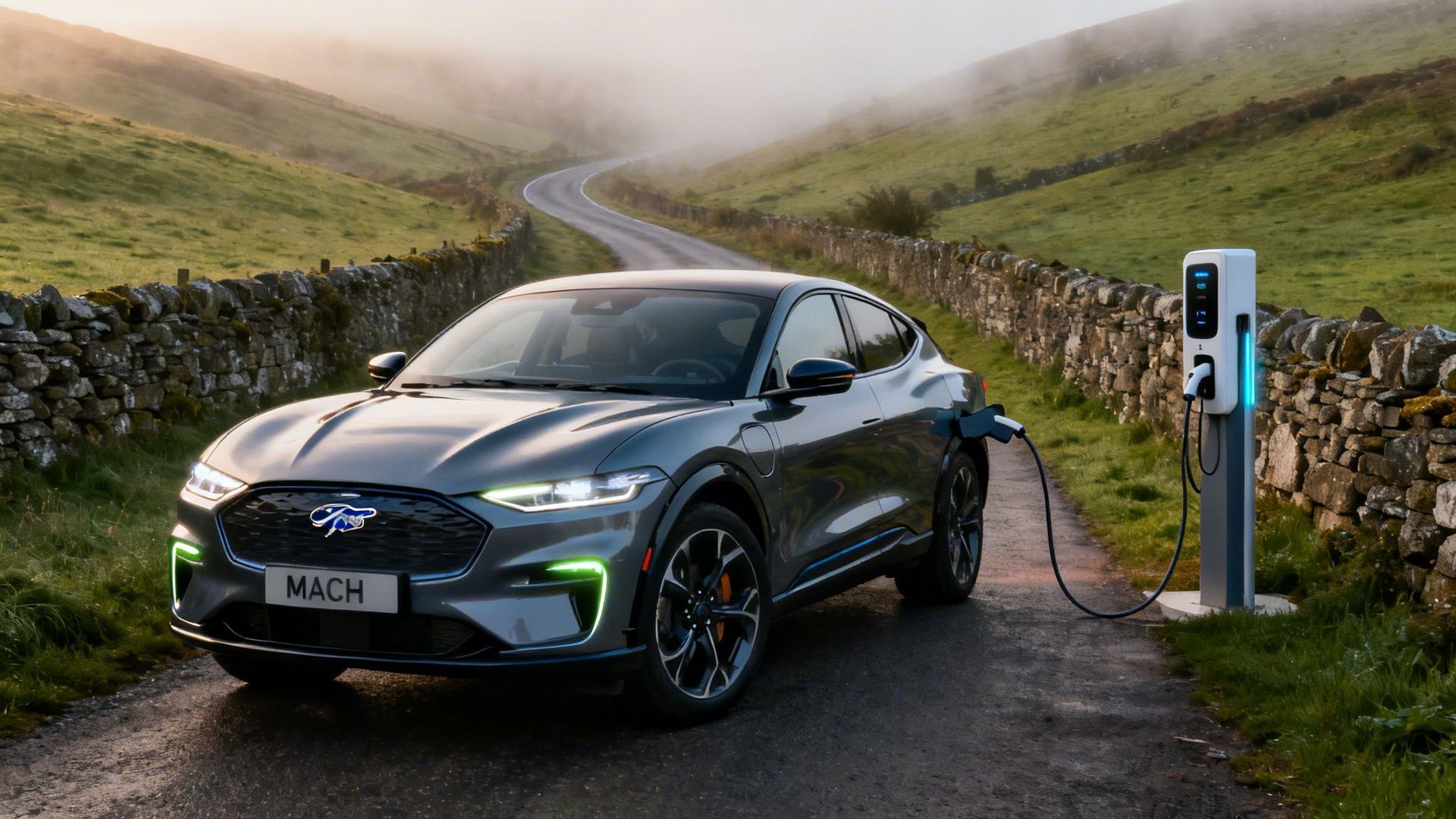
Expanding charging infrastructure is imperative to support the growing number of electric vehicles on the road. As more consumers transition to EVs, the demand for accessible and efficient charging solutions increases. Ensuring widespread availability of charging stations is crucial to alleviating range anxiety and promoting EV adoption. Investments are being made to develop fast-charging networks that significantly reduce the time needed to recharge vehicles, making long-distance travel more feasible. Public and private collaborations are key in this expansion, with governments and businesses working together to install charging points in urban areas, along highways, and in rural locations. Additionally, advancements in home charging solutions provide convenient options for overnight charging, further encouraging EV ownership. Integrating renewable energy sources into charging infrastructure also supports sustainability goals, reducing the carbon footprint of electric vehicles. As charging networks continue to grow, they will play a vital role in the future of transportation, facilitating the transition to a more sustainable and efficient mobility system.
Navigating Supply Chain Issues
Navigating supply chain issues is a critical challenge facing the electric vehicle market as it continues to expand. The production of EVs and their components depends on a complex global supply chain, which includes sourcing raw materials like lithium, cobalt, and nickel for batteries. These materials are often extracted in regions with geopolitical tensions or limited regulatory oversight, posing risks to supply stability. Additionally, the demand for these resources is rapidly increasing, potentially leading to shortages and price volatility. To mitigate these challenges, manufacturers are investing in diversified sourcing strategies and exploring alternatives, such as recycling initiatives and developing new battery chemistries that reduce reliance on scarce materials. Strengthening local manufacturing capabilities and building resilient supply chains are also essential to ensure a steady production flow and meet growing consumer demand. Addressing these supply chain issues is crucial for sustaining the growth of the EV market and ensuring the successful transition to a more sustainable transportation future.
Find out more below:
https://www.voltsmonster.com/
VoltsMonster Electric Vehicle Blog