The Future of EV Technology - What to Expect in the Next Decade
Driving Tomorrow: Innovations Shaping the Next Decade of Electric Vehicle Technology
The Future of EV Technology - What to Expect in the Next Decade
The future of electric vehicle (EV) technology is poised to revolutionize transportation, offering unparalleled opportunities for entrepreneurs and digital brands to lead the charge in clean, innovative mobility. As the demand for sustainable and efficient vehicles soars, advancements in solid-state batteries and autonomous EVs will redefine what’s possible on the road. With vehicle-to-grid technology turning cars into dynamic energy assets, the landscape of electric vehicle innovations is rich with potential for new business ventures. This decade is your chance to dive into the future of electric vehicles and carve your niche in the world of clean transportation. Are you ready to harness this wave of innovation and position your brand at the forefront of this transformative industry?
Advancements in Battery Technology:
Solid-State Batteries: A Game-Changer
Solid-state batteries are set to significantly impact the future of electric vehicles, marking a major shift in EV technology. Unlike traditional lithium-ion batteries that rely on liquid electrolytes, solid-state batteries utilize solid electrolytes, providing several key benefits. They promise higher energy density, enabling electric vehicles to travel longer distances on a single charge, thus addressing the prevalent issue of range anxiety among consumers. Additionally, these batteries are anticipated to have faster charging times and enhanced safety features, as the solid electrolytes reduce the risk of flammability. While currently in the research and development phase, solid-state batteries are expected to become commercially available within the next 5 to 10 years. This advancement could revolutionize the EV industry, making electric vehicles more appealing and practical for everyday use. The potential of solid-state batteries underscores the exciting possibilities in electric vehicle innovations and clean transportation.
Shorter Charging Times Ahead
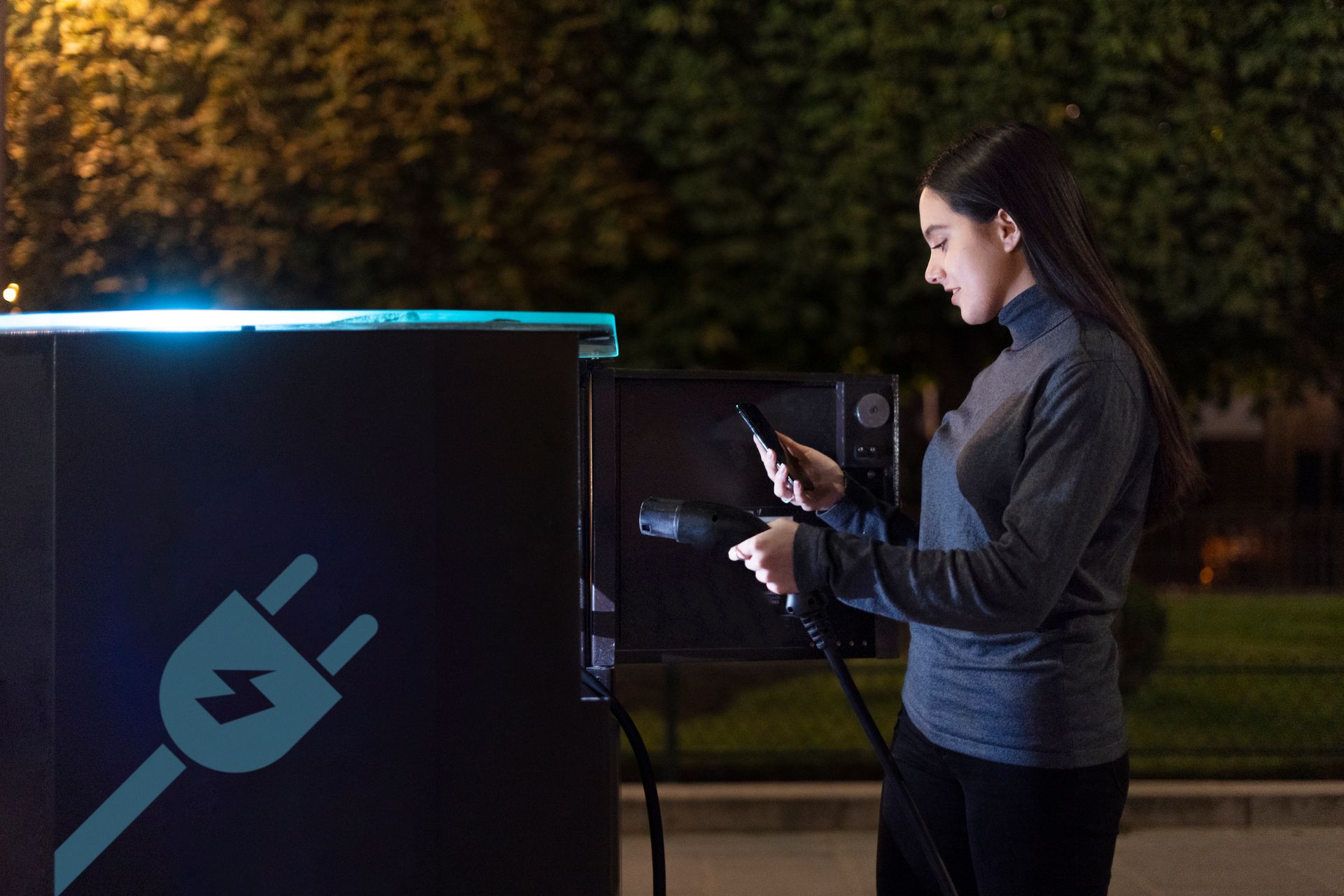
The evolution of EV technology is leading to significant reductions in charging times, a crucial factor for widespread adoption. Current advancements in battery technology, particularly with the development of solid-state batteries, are driving this change. Solid-state batteries offer not only higher energy density but also quicker recharging capabilities compared to their lithium-ion counterparts. This means that future electric vehicles could recharge in a fraction of the time it currently takes, making them more convenient for daily use. Faster charging can dramatically enhance the user experience, reducing downtime and increasing the practicality of electric vehicles for longer journeys. Additionally, improvements in charging infrastructure, such as the deployment of ultra-fast chargers, support this trend. As entrepreneurs in the EV sector, focusing on solutions that highlight reduced charging times can provide a competitive edge, positioning your brand as a leader in clean transportation and electric vehicle innovations.
Autonomous Driving and EVs:
The Rise of Autonomous EVs
Autonomous electric vehicles (EVs) represent a significant leap forward in both automotive and EV technology. The integration of self-driving capabilities in electric vehicles is set to transform the way we perceive and utilize transportation. Autonomous EVs promise to enhance road safety by reducing human error, which is a major cause of accidents. They also offer potential solutions for reducing traffic congestion through optimized driving patterns and routes. As technology companies and automakers pour resources into autonomous vehicle (AV) development, the synergy between electric mobility and autonomy is becoming increasingly apparent. This integration is not only poised to redefine personal transportation but also revolutionize public transit and ride-sharing services. Fleets of autonomous electric buses and shuttles could provide efficient, eco-friendly urban travel solutions. While fully autonomous EVs are still in development, features like advanced driver assistance systems (ADAS) are already transforming the driving experience, paving the way for a future dominated by smart, clean transportation.
Impact on Public Transportation
The advent of autonomous EVs is set to revolutionize public transportation, offering significant benefits in efficiency, safety, and environmental impact. Autonomous technology in public transit systems, such as buses and shuttles, can optimize routes and schedules, reducing wait times and improving service reliability. This innovation can lead to a decrease in operational costs, as driverless systems reduce the need for human intervention. Moreover, the environmental benefits are substantial, as electric buses contribute to lower emissions and quieter urban environments. Cities could leverage autonomous EVs to enhance connectivity in underserved areas, providing seamless and accessible transit options for all residents. The combination of electric and autonomous technologies can also promote the adoption of ride-sharing models, reducing the number of individual vehicles on the road and further cutting emissions. As these systems become more widespread, they will play a crucial role in shaping the future of sustainable urban mobility, offering cleaner and more efficient transportation solutions.
Transformative Vehicle-to-Grid Technology:
V2G as Energy Stabiliser
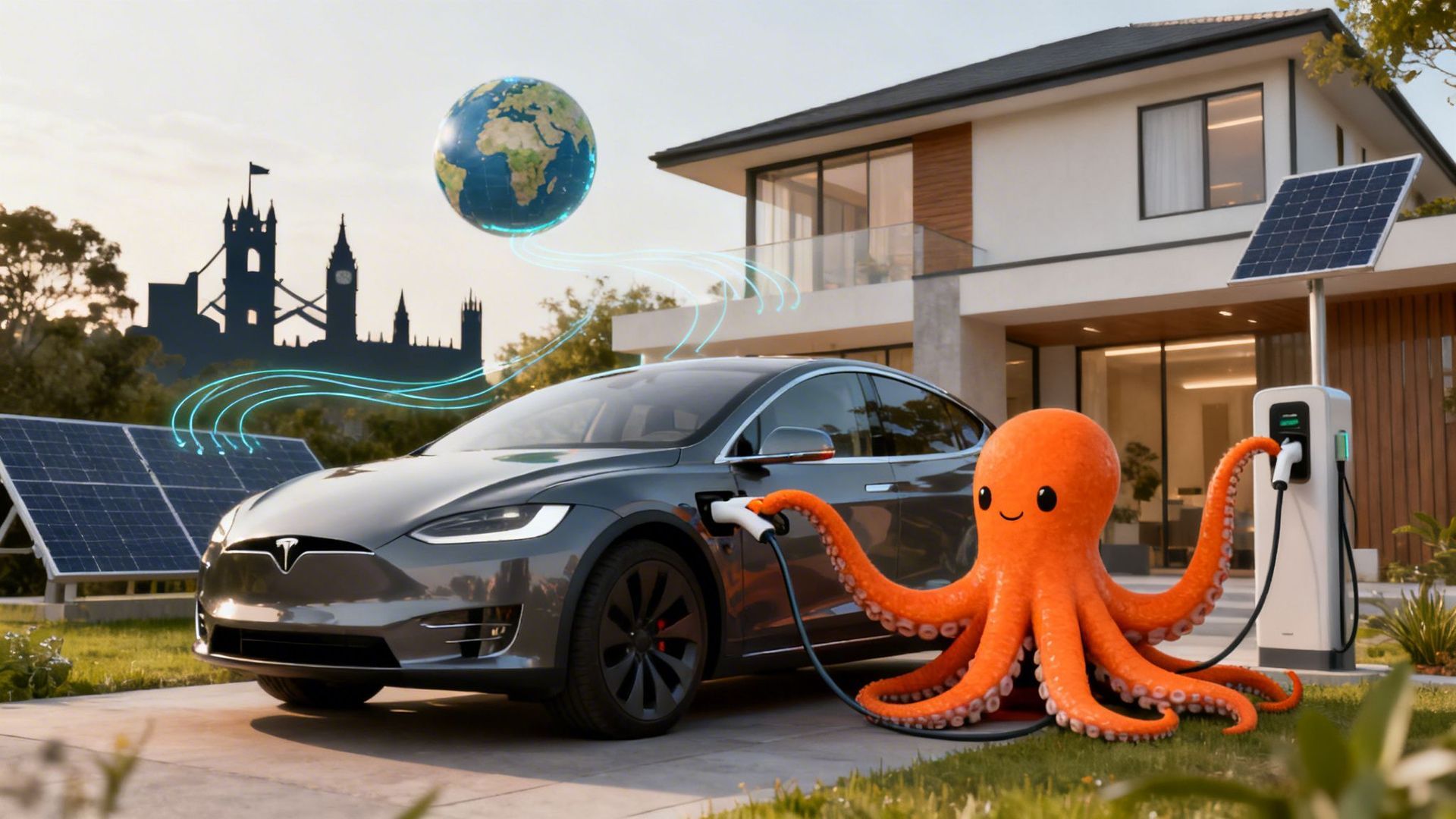
Vehicle-to-grid (V2G) technology is emerging as a pivotal element in energy stabilization, integrating electric vehicles into the broader power infrastructure. By enabling bidirectional energy flow, V2G systems allow EVs to store excess renewable energy and return it to the grid during peak demand times. This capability can significantly enhance grid reliability and efficiency, particularly as renewable energy sources like solar and wind become more prevalent. For EV owners, this technology offers a unique opportunity to participate in energy markets, potentially earning income by supplying stored power back to utilities. V2G technology not only supports grid stability but also contributes to a more sustainable energy ecosystem by balancing supply and demand. As this technology gains traction, it could transform electric vehicles into critical components of the energy grid, fostering a more resilient and environmentally-friendly energy infrastructure. The advancements in V2G highlight the potential of electric vehicle innovations in redefining clean transportation and energy management.
Opportunities for EV Owners
Vehicle-to-grid (V2G) technology presents exciting opportunities for EV owners, transforming vehicles into active participants in the energy landscape. By enabling electric vehicles to store and supply electricity back to the grid, owners can leverage their EVs as mobile energy assets. This capability opens up potential revenue streams, as EV owners can sell stored energy during times of high demand, effectively turning parked cars into sources of income. Additionally, V2G technology can lead to cost savings by allowing owners to charge their vehicles during off-peak hours when electricity prices are lower and discharge during peak periods. This flexibility not only benefits owners financially but also supports broader grid stability and the integration of renewable energy sources. As V2G systems become more accessible and widely implemented, they promise to enhance the value proposition of owning an electric vehicle, aligning economic incentives with environmental benefits and promoting greater adoption of clean transportation solutions.
Find out more below:
https://www.voltsmonster.com/
VoltsMonster Electric Vehicle Blog