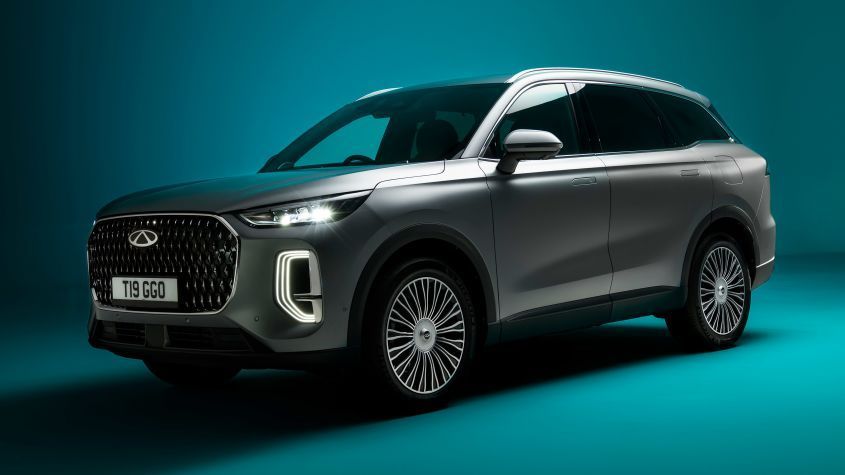
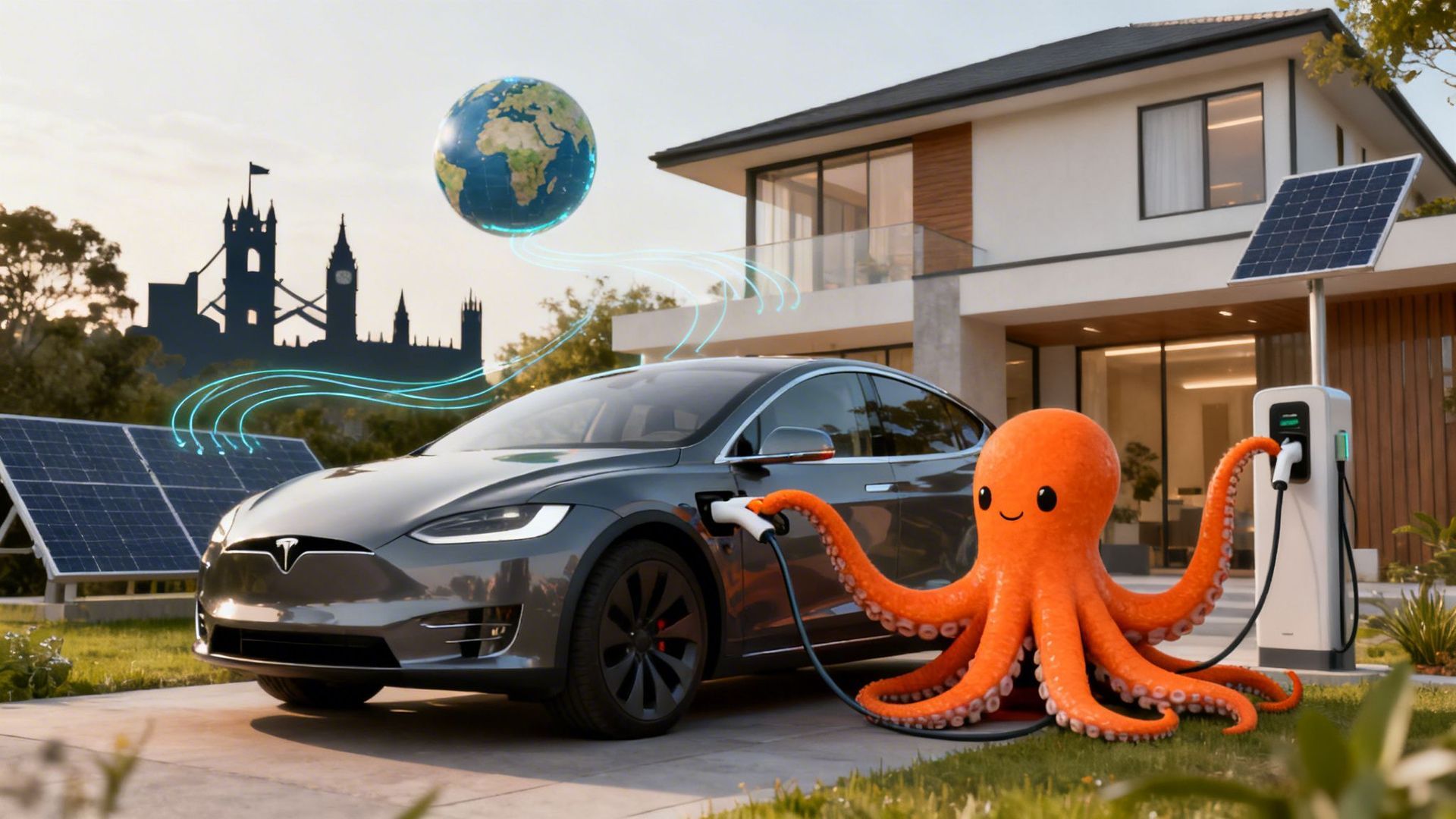
The Evolution of EV Charging Infrastructure - The Road to Seamless Mobility
Charging Ahead: How Evolving EV Infrastructure is Accelerating Seamless and Sustainable Mobility
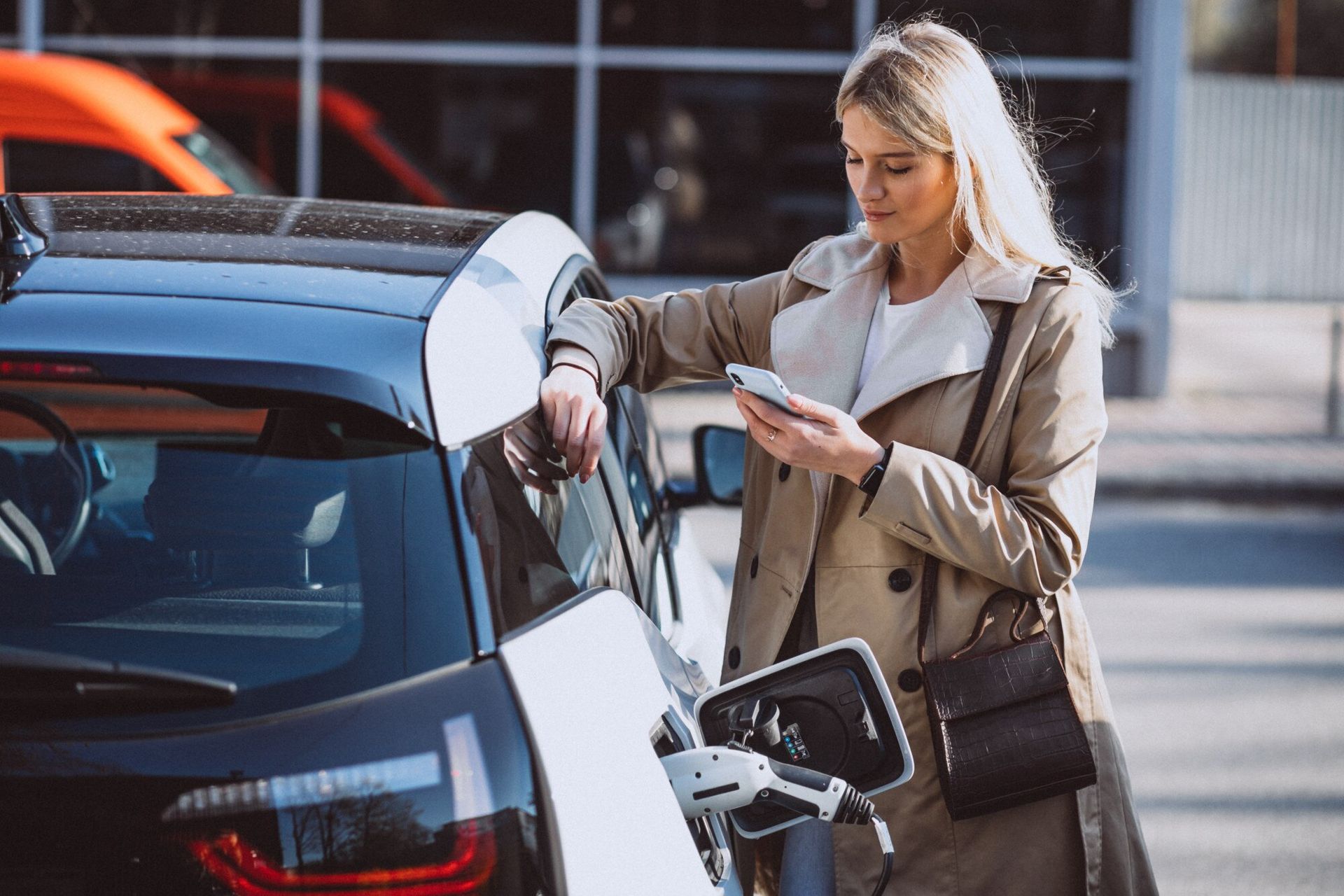
The Evolution of EV Charging Infrastructure - The Road to Seamless Mobility
The evolution of EV charging infrastructure is paving the way for seamless mobility, driving the electric vehicle revolution forward with unprecedented momentum. As an EV enthusiast, potential owner, or industry stakeholder, you stand at the forefront of this transformative shift, where the availability and efficiency of charging stations are breaking down barriers like range anxiety. Fast charging technology and home charging solutions are making electric vehicles more practical and appealing, while innovations such as wireless charging and battery swapping promise to redefine convenience. We invite you to explore how these advancements not only empower the transition to electric mobility but also present entrepreneurial opportunities in the expanding landscape of public charging networks.
Expanding Public Charging Networks:
Growth Trends and Investments
The rapid expansion of public charging networks is reshaping the landscape of electric vehicle (EV) adoption. According to the International Energy Agency (IEA), the number of public EV charging stations grew by over 60% in 2021 alone. This growth is fueled by significant investments from both public and private sectors. For instance, in the U.S., the federal infrastructure plan aims to deploy 500,000 public charging stations by 2030. Countries like China and several European nations are also committing substantial resources to enhance their charging infrastructures to support the burgeoning number of electric vehicles.
Investments are not only directed towards increasing the number of charging stations but also towards enhancing their efficiency and accessibility. These efforts aim to mitigate range anxiety, a common concern among potential EV owners, by ensuring that charging facilities are as ubiquitous and easy to access as traditional fuel stations.
Overcoming Range Anxiety
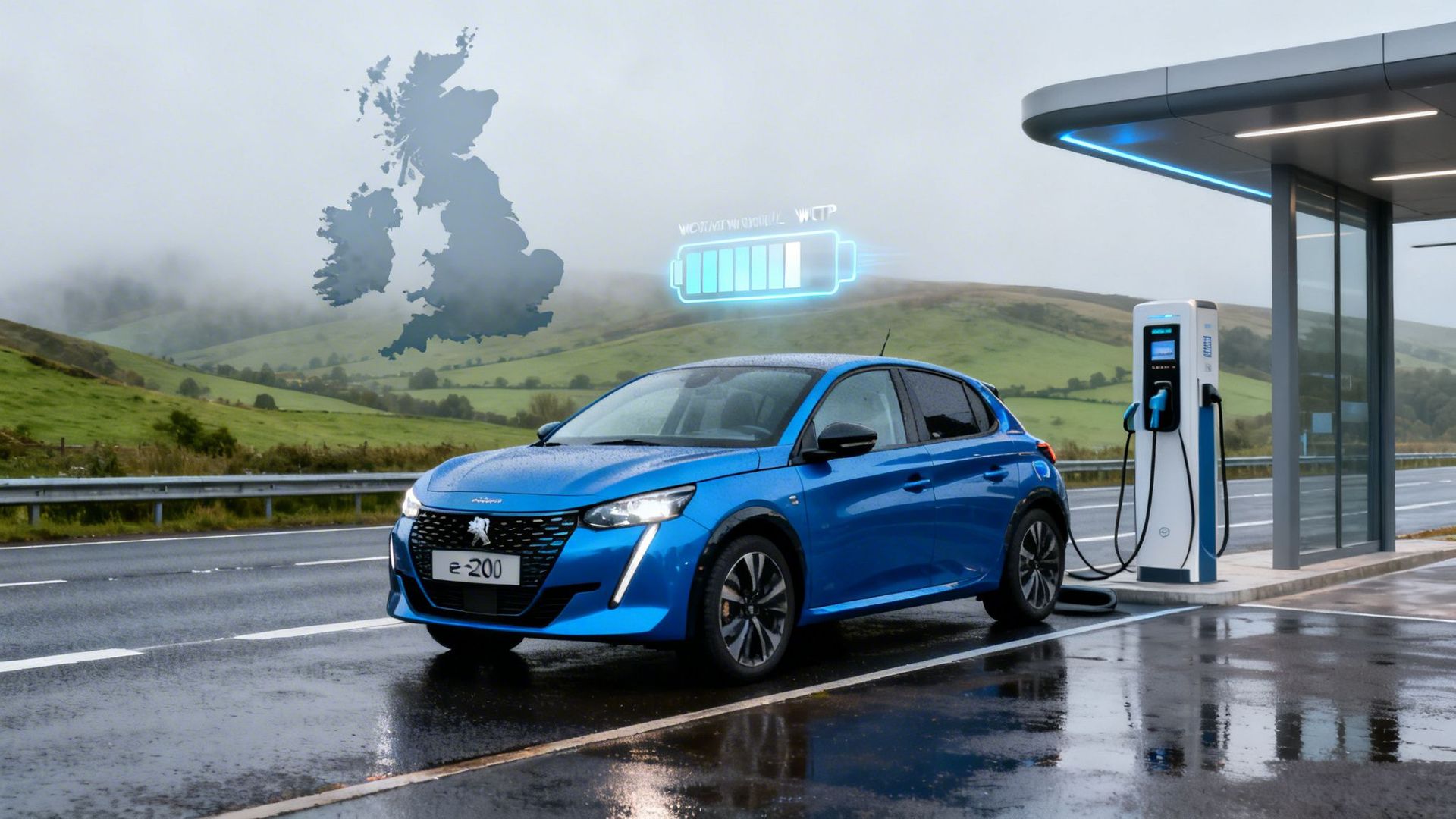
Range anxiety, the fear of depleting battery power before reaching a charging point, has long been a barrier to adopting electric vehicles. However, expanding public charging networks is playing a crucial role in alleviating these concerns. As more charging stations appear along major highways, in urban areas, and even in rural locations, the reliability and convenience of recharging are significantly enhanced. This widespread availability of charging infrastructure allows EV drivers to plan trips more confidently, knowing that a charging station is never too far away.
Fast charging technology further addresses range anxiety by enabling quicker recharging times, often providing an 80% charge in about 20-30 minutes. This development makes long-distance travel with electric vehicles more feasible and appealing. As public and private entities continue to invest in charging infrastructure, range anxiety will likely become a less prominent concern, encouraging more consumers to make the switch to electric vehicles.
Diverse Charging Solutions:
Level 1 and Level 2 Charging
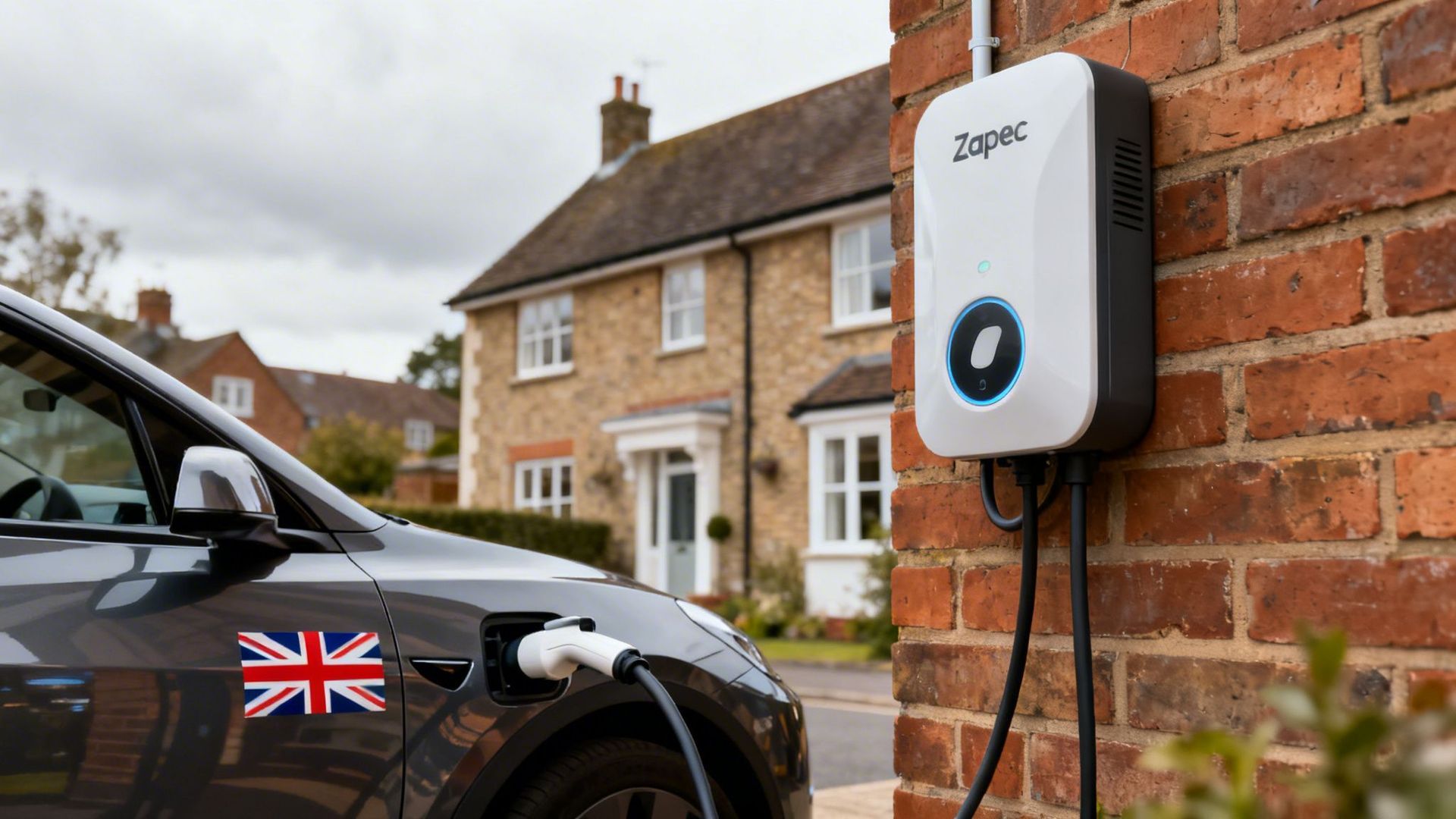
Level 1 and Level 2 chargers represent foundational components of EV charging infrastructure, catering to different charging needs. Level 1 charging involves using a standard 120-volt outlet, generally found in homes, to slowly charge an electric vehicle. This method is convenient for overnight charging, but it can take over 24 hours to fully charge an EV, making it less ideal for those with higher daily mileage needs or frequent long trips.
In contrast, Level 2 charging operates at 240 volts and offers a significantly faster charging option. These chargers are commonly installed at public locations such as shopping centers, workplace parking lots, and residential complexes. Level 2 chargers can replenish an EV battery in approximately 4-8 hours, making them suitable for drivers who need to recharge during the day. The availability of Level 2 charging in public spaces helps make electric vehicles more appealing by reducing downtime and ensuring that drivers can maintain their mobility with minimal disruption.
Fast and Ultra-Fast Charging
Fast and ultra-fast charging technologies are revolutionizing the convenience of electric vehicle (EV) use. DC fast chargers significantly reduce charging times, allowing an 80% charge in as little as 20-30 minutes. These chargers are strategically positioned along major highways and travel routes, enabling long-distance travel with minimal stops. This accessibility helps alleviate range anxiety and facilitates seamless mobility for EV drivers.
Ultra-fast chargers take efficiency to the next level by delivering power at rates of 350 kW or more. This advancement allows drivers to add hundreds of miles of range in just a few minutes, offering a recharge experience comparable to refueling a conventional gasoline vehicle. Companies like Tesla, Electrify America, and Ionity are leading developments in this area, expanding their networks to provide widespread access to high-speed charging.
As fast and ultra-fast charging stations become more prevalent, the practicality and appeal of electric vehicles continue to grow, paving the way for broader adoption.
Innovative Future of Charging:
Wireless Charging Advancements
Wireless charging technology is set to redefine convenience in the electric vehicle (EV) sector. Unlike traditional plug-in charging methods, wireless charging uses electromagnetic fields to transfer energy between a charging pad on the ground and a receiver in the vehicle. This innovation eliminates the need for cords and human intervention, making the charging process as simple as parking your EV over a designated pad.
Currently, wireless charging is in the experimental stages, with several pilot programs underway in various cities. These trials aim to assess the feasibility, efficiency, and safety of inductive charging systems. As technology advances, wireless charging could become a mainstream solution, making it easier for drivers to maintain a charged battery without the hassle of plugging in.
This advancement promises to further reduce range anxiety, increase the convenience of EV ownership, and support the broader adoption of electric vehicles by simplifying the charging process and integrating seamlessly into daily life.
Battery Swapping Solutions
Battery swapping offers a compelling alternative to traditional charging methods by enabling electric vehicle (EV) owners to replace depleted batteries with fully charged ones in minutes. This process involves driving into a swap station, where a robotic system automatically exchanges the car's battery. The approach minimizes downtime and effectively addresses range anxiety by eliminating long charging waits.
Companies like NIO in China have pioneered battery swapping technology, successfully integrating it into their EV ecosystem. These stations are strategically located to maximize convenience and accessibility for drivers. Battery swapping also provides the flexibility of upgrading battery technology without replacing the entire vehicle, potentially extending the lifespan and performance of EVs.
As the concept gains traction, it could complement existing charging infrastructure by offering an alternative for those needing rapid turnaround. This innovation highlights the ongoing efforts to enhance the practicality and appeal of electric vehicles, supporting their widespread adoption and reinforcing the shift towards sustainable mobility.
Find out more below:
VoltsMonster Electric Vehicle Blog