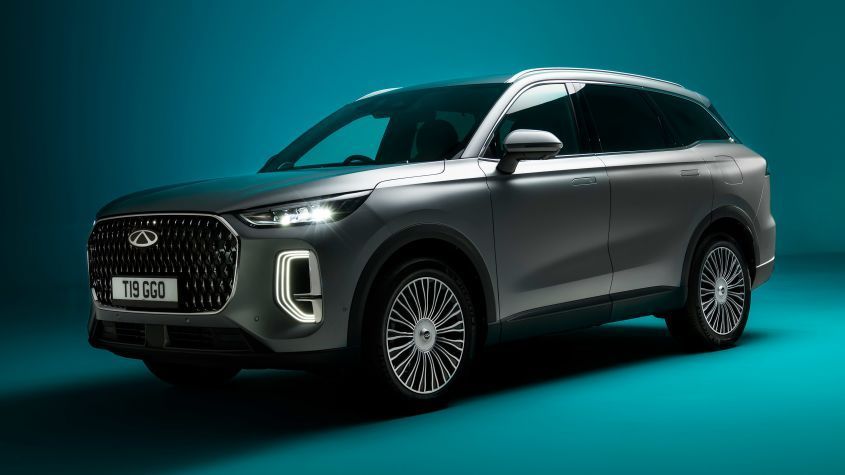
The Definitive Polestar 2 Review UK: Still a Top EV Buy? Not So Fast...
Right, let's cut to the chase. The Polestar 2 is a sharp-suited, minimalist electric car with a Google-powered brain and a surprising turn of speed. For UK drivers, it’s carved out a niche as a genuinely compelling alternative to the usual German saloons and the ever-present Tesla, mixing Scandinavian cool with a dose of real-world usability. But is it still the golden boy it once was?
Is The Polestar 2 Still a Top UK EV Contender?
When the Polestar 2 first touched down on British tarmac, it felt like a breath of fresh, slightly clinical, Swedish air. It wasn't just another electric car; it was a statement piece for people who find Audi a bit too… sales conference. It managed to blend a sharp, origami-like design with a vegan-friendly interior and the kind of instant punch that embarrasses most hot hatches on a twisty B-road.
This wasn't some quirky, short-lived experiment, either. It quickly became a familiar sight, from the clogged-up streets of London to the sweeping A-roads of the Scottish Highlands, cementing its place as a serious player. The car's appeal was surprisingly broad, pulling in tech lovers with its Android brain and drivers who simply fancied a premium EV that didn't have a Tesla badge on it.
Its success wasn't just a feeling you got from seeing them everywhere; the sales figures tell the real story.
The Polestar 2 muscled its way into the UK's premium EV market, landing fifth place among Britain's best-selling electric cars in 2023 with 12,542 units sold . That’s a massive 70.8% jump compared to its 2022 numbers.
This kind of growth shows just how much the car clicked with UK buyers. If you fancy a closer look at the numbers, you can learn more about Britain's top-selling electric models.
What Made It a UK Favourite?
So, what was the secret sauce? A few key things made the Polestar 2 an instant hit over here:
- Distinctive Design: Let's be honest, it looks like nothing else on the road. Its confident, slightly chunky stance and clean lines turned heads without being loud or obnoxious.
- Google Built-In: Being one of the first to have Google's system properly integrated was a genius move. Having Google Maps as your native sat-nav is, quite frankly, brilliant and something you get used to very quickly.
- Effortless Performance: Even the entry-level models were quick off the line, while the dual-motor versions offered the kind of acceleration that would give genuine sports cars a proper scare.
But the EV world moves at the speed of light. New rivals are popping up all the time, and the tech is constantly evolving. The big question we need to answer in this Polestar 2 review for UK drivers is simple: does it still hold its own, or has the competition finally caught up? Let’s find out.
Choosing Your Ideal Polestar 2 Model and Packs
Trying to figure out the Polestar 2 lineup can feel a bit like ordering a coffee in a trendy Shoreditch pop-up. There are too many options, they all sound vaguely the same, and you're not entirely sure what you're paying for. Let's cut through the marketing jargon and get straight to what matters for UK drivers.
Polestar’s range looks deceptively simple on paper, but the differences between each model are crucial. You've essentially got three main flavours to pick from, and each one offers a distinctly different ownership experience.
The Core Models Dissected
First up is the Standard Range Single Motor . This is your entry point, the flat white of the Polestar world. Since the 2023 update, it’s now rear-wheel drive (a huge improvement on the early front-wheel-drive cars), which makes it feel much more engaging. It’s perfectly punchy for city driving and the odd motorway trip, but its smaller battery means you’ll be planning that run to the Peak District around the nearest rapid charger.
Next, you have the Long Range Single Motor . This is arguably the sweet spot for most Brits. It has the same punchy motor but is paired with a much larger battery, pushing its official range well past the 300-mile mark. It’s the sensible, pragmatic choice, giving you the best balance of cost, real-world usability, and enough poke to make an overtake on the A303 feel brisk rather than hair-raising.
Finally, there’s the big one: the Long Range Dual Motor . Think of this as the full-fat, double-espresso-with-an-extra-shot option. With a motor on each axle, you get incredible all-wheel-drive grip and frankly ludicrous acceleration off the line. It’s a huge amount of fun, but just be warned – it chews through its range much faster if you drive it like you stole it. And let's be honest, you will.
This guide can help you visualise which path might be the best fit for your priorities.

As the flowchart shows, whether you prioritise maximum range, cutting-edge tech, or raw power will point you towards a specific model and pack combination.
Cracking the Code of the Packs
This is where Polestar really tries to have your trousers down. The standard car is nicely equipped, but the truly desirable kit is bundled into expensive option packs. Resisting them requires the willpower of a saint staring at a plate of warm biscuits.
Think of the packs as essential upgrades masquerading as optional extras. You can technically live without them, but you’ll likely get a pang of buyer's remorse every time you see a better-specced model glide past.
Here’s a breakdown of the ones that matter most:
- Pilot Pack: This used to be standard, which makes its new status as a paid extra a bit cheeky. It bundles in crucial driver aids like adaptive cruise control and blind-spot monitoring. If you do any regular motorway driving, you absolutely want this. Going without it feels like buying a flagship smartphone without a decent camera.
- Plus Pack: This is the 'comfort and joy' package. It gives you a panoramic glass roof, a fantastic Harman Kardon sound system, and, most importantly for us shivering Brits, a heat pump. The heat pump is a genuine game-changer for winter efficiency, significantly reducing the dreaded range drop in cold weather. For UK ownership, it's pretty much non-negotiable.
So, what's the best combination? For the vast majority of UK buyers, the Long Range Single Motor with the Plus Pack is the Goldilocks choice. It delivers the best real-world range, has all the essential creature comforts for our miserable weather, and offers enough performance to keep things interesting. It’s the smart money, avoiding the higher running costs of the Dual Motor while leaving you with a fantastically capable and desirable EV.
Real-World Range And Performance On UK Roads

Right, let’s get straight to the elephant in the charging bay: range. Official WLTP figures are a lovely bit of fantasy, cooked up in a lab where the sun always shines and traffic doesn't exist. But what happens when you introduce a Polestar 2 to a wet Tuesday on the M25 or a frosty February morning in Aberdeen?
The unvarnished truth is that real-world range is a slippery beast, especially here in the UK. That headline figure of 395 miles for the Long Range Single Motor model is about as achievable as finding a public charger that isn't broken, blocked by a diesel van, or requires an app that demands your mother's maiden name.
A much more realistic expectation is to lop a good 20-25% off that official number for everyday driving. In practice, this means the Long Range Single Motor – the sensible choice for most – will comfortably deliver around 300-320 miles in mild weather. That’s still plenty for a schlep from London to Manchester with juice to spare. The Standard Range model is closer to 230-250 miles , making it a very capable commuter rather than a cross-country champion.
How The UK Weather Messes With Your Miles
Our famously rubbish weather is the biggest villain in this story. Cold, wet conditions are to an EV battery what a Sunday roast is to a diet – disastrous. Winter driving, with the heating on full blast and wipers going like the clappers, can easily slash your range by a further 10-15% .
This is precisely why we banged on about the Plus Pack earlier. The heat pump it contains is a genuine game-changer, using ambient air to warm the cabin far more efficiently than a conventional heater. It significantly reduces that winter range penalty, making it an essential bit of kit for anyone living north of Watford.
Think of the heat pump as a thermal coat for your battery. You wouldn't go hiking in the Cairngorms in a t-shirt, and you shouldn't subject your Polestar 2 to a British winter without one if you can help it.
One-pedal driving also helps claw back some miles, especially in stop-start city traffic. The Polestar 2’s system is brilliantly intuitive, letting you slow to a complete stop just by lifting off the accelerator. It’s perfect for the daily crawl and turns traffic jams into a bizarrely satisfying game of energy regeneration. For a deeper dive into what really affects an EV's mileage, you can learn more about the unvarnished truth of electric car real-world range.
Performance On Our Pockmarked Roads
Beyond just range, how does the Polestar 2 actually drive on Britain’s uniquely terrible road surfaces? The answer is surprisingly well. The car has a firm, planted feel that inspires confidence, but it’s not so stiff that it’ll rearrange your spine on a poorly maintained B-road.
It handles the pockmarks and potholes of a typical British A-road with a composure that eludes many rivals. There’s a reassuring heft to the steering and a solid, premium feel to the way it tackles corners. It feels less like a tech gadget on wheels and more like a proper driver’s car.
So, which motor should you go for?
- Single Motor (Rear-Wheel Drive): The post-2023 RWD models are a revelation. They are genuinely fun, with more than enough punch for 99% of UK driving. The 0-60mph time of around 6 seconds is brisk enough to make any overtake feel effortless and safe. This is the smart, balanced choice.
- Dual Motor (All-Wheel Drive): This version is just bonkers. The acceleration is savage, pinning you to your seat with the kind of force usually reserved for theme park rides. That 0-60mph dash in under 4.5 seconds is hilariously addictive. It’s overkill, frankly, but my word, is it fun. The added grip of all-wheel drive is also a real bonus on greasy, leaf-strewn country lanes come autumn.
Ultimately, the Single Motor is all the car you’ll ever need. It’s quick, efficient, and engaging to drive. The Dual Motor is the car you’ll want. It’s a slightly irresponsible, grin-inducing missile that turns every traffic light into a drag race opportunity. Our Polestar 2 review UK conclusion? Both are brilliant, but your head should probably pick the former while your heart screams for the latter.
Calculating Your True Running Costs
Right, let's talk brass tacks. Buying a fancy electric car is one thing, but running it is where the real financial story unfolds. So, is the Polestar 2 genuinely cheaper to own than a petrol-swilling equivalent like a BMW 3 Series, or is that just something EV evangelists whisper to themselves at night?
The answer, like most things in life, is "it depends". But mostly, it depends on where you plug the thing in. Get this part right, and you’ll feel smugger than a cat who’s found the cream. Get it wrong, and you might as well be filling up a V8 at Shell.
The single biggest factor in your running costs is charging. The financial gap between charging at home and relying on the public network is wider than the Grand Canyon.
Home Charging: The Smart Money
If you have a driveway or dedicated parking, installing a home charger is a complete no-brainer. This is the secret sauce to cheap EV motoring. By plugging in overnight, you can tap into off-peak electricity tariffs that make fuelling your car ludicrously cheap.
Imagine filling up a petrol car for the equivalent of about 15p per litre . That’s the sort of saving we’re talking about with an overnight EV tariff. It completely changes the economics of driving.
On a tariff like Octopus Go, you could be paying as little as 7.5p per kilowatt-hour (kWh) for a few hours each night. To fully charge the 79kWh battery in the Long Range model would cost a staggeringly low £5.93 . That gets you a real-world range of around 300 miles. A petrol BMW 3 Series would need about £50 to cover the same distance. Over a year, that’s a saving of thousands.
Of course, this idyllic scenario hinges on having that off-street parking. For the millions of us living in flats or terraced houses, the picture is, shall we say, a bit more complicated.
Public Charging: The Wild West
Venture into the world of public charging, and things get expensive, fast. Using a rapid charger on the motorway can feel like buying a pint of beer in a Knightsbridge hotel – you know you’re being fleeced, but you’re desperate.
Prices can vary wildly, but it's not uncommon to see costs of 70p/kWh or even more. At that price, the same full charge in your Polestar 2 rockets to over £55 . Suddenly, your cost-per-mile is uncomfortably close to that of a petrol car. For a more detailed breakdown of these expenses, you might want to check out our guide on electric car charging costs in the UK and how to avoid getting ripped off.
Other Ownership Costs
Thankfully, charging is only part of the financial equation. The Polestar 2 claws back a significant advantage in other areas:
- Vehicle Excise Duty (VED): As a pure EV, the Polestar 2 is currently exempt from VED, or road tax. This saves you hundreds of quid a year compared to a petrol car, although be warned – the government is ending this perk from April 2025.
- Servicing: With no oil, spark plugs, or exhaust systems to worry about, servicing is simpler and cheaper. Polestar recommends a check-up every two years or 18,000 miles , which is less frequent and generally less costly than for a combustion-engined rival.
- Insurance: This is one area to watch. The Polestar 2 sits in high insurance groups (typically group 40 and above ), meaning premiums can be steep, especially for the high-performance Dual Motor version. It’s essential to get a quote before you commit.
So, the verdict? If you can charge at home, the Polestar 2 will be dramatically cheaper to run than a comparable petrol saloon. If you’re entirely reliant on the public network, the savings become much harder to find, turning a clear financial win into a far more marginal call.
Living With The Interior, Tech, And Practicality

Climbing into the Polestar 2 feels less like getting into a car and more like entering a high-end, minimalist Scandi apartment. It’s all clean lines, interesting textures, and a refreshing absence of buttons. There’s a definite sense of architectural calm in here.
This is a cabin designed by people who probably find magnolia a bit too shouty. The vegan-friendly materials are a major feature, and the standard ‘WeaveTech’ fabric feels tough and modern. For some, it might come across as a little plain, a bit like a very expensive, very tasteful anorak for your car seats.
You can spec Nappa leather, which feels a bit like ordering a steak at a vegan restaurant, but it undeniably lifts the cabin's premium feel. Whichever you choose, the build quality is absolutely superb. Everything feels solid, reassuringly heavy, and bolted together with military precision.
The Google-Powered Brain
Taking centre stage is the 11.2-inch vertical touchscreen , which runs on Android Automotive OS. Now, this isn't just your phone's screen mirrored onto the dash; this is Google's software baked right into the car's core systems. For the most part, it’s brilliant.
Having Google Maps as the native navigation is a masterstroke. It's fast, familiar, and cleverly integrated with the battery management system, so it can tell you exactly how much charge you’ll have left when you arrive. Shouting "Hey Google, find the nearest Costa" and having it just work feels like a genuine glimpse of the future.
Honestly, the system is so intuitive that going back to a clunky, manufacturer-designed sat-nav feels like swapping your smartphone for a Filofax. It’s a real step-change for in-car tech.
It’s not perfect, mind you. Early models had a reputation for software bugs, and while over-the-air updates have squashed the worst of them, you might still face the odd frozen screen. Also, while the core Google apps are slick, the selection of third-party apps on the Play Store is still a little thin on the ground.
So, Is It Actually Practical?
Okay, the tech is smart and the design is chic, but what about real life? Can it handle the weekly Aldi shop, a family trip to the coast, or the dreaded IKEA run?
Here, the Polestar 2 is a bit of a mixed bag, mostly down to its fastback shape. It's more of a high-riding saloon than a true SUV, and that has a knock-on effect on space.
- Boot Space: At 405 litres , the boot is a decent size, but not cavernous. It’s deep and has a good shape, easily swallowing the weekly shop or a couple of suitcases. The hatchback-style opening is a massive advantage, making it far easier to load bulky items than in a saloon like the Tesla Model 3.
- Frunk (Front Boot): You also get a handy 41-litre storage bin under the bonnet. It’s the perfect spot for stashing muddy charging cables, keeping them away from your clean luggage.
- Rear Passenger Space: This is where that sleek, sloping roofline bites back. Headroom in the back is tight for anyone nudging six feet tall. While legroom is adequate, the high floor—a consequence of the underfloor battery—means adults may find their knees sit higher than is comfortable on longer journeys.
- Storage: Up front, storage is fine without being exceptional. You get a couple of cupholders, decent door bins, and a small cubby under the armrest. It’s all very tidy, but you won't find the vast, clever storage solutions you might in more family-focused EVs.
Ultimately, the Polestar 2 works brilliantly for a couple or a small family. It handles day-to-day duties with ease, but if you're regularly ferrying lanky teenagers or have a thing for flat-pack furniture, rivals with a more traditional SUV or estate body style might serve you better. As we've noted throughout this Polestar 2 review for the UK , its real appeal is that blend of style and function, even if it means a slight compromise on outright space.
Finding The Best Value Polestar 2 Deals
The great news is that Polestar’s incredible success in the UK has flooded the used market with great options. The brand's growth has been phenomenal, with sales rocketing from 8,693 cars in 2024 to a massive 16,959 units in 2025 . That 95.2% jump made Britain Polestar's top market, and for you, that means more choice and better prices.
The Used Market Sweet Spot
If you want the smartest buy, look past the brand-new models in the showroom. The real value is lurking in the two-to-three-year-old category, specifically the Long Range Single Motor with the Plus Pack .
These cars have already taken the steepest depreciation hit, so someone else has paid for that initial drop in value. For the best of both worlds, try to find a post-2023 facelift model. They switched to rear-wheel drive and feel that little bit more sorted, offering a brilliant mix of modern tech, a genuinely useful real-world range, and all those must-have extras like the heat pump and panoramic roof. You’re getting the full-fat Polestar 2 experience for a serious saving.
If you're thinking about leasing instead, it's a whole different ball game. Our guide on the best UK EV lease deals for 2025 is essential reading to avoid the common pitfalls.
What To Check Before You Buy
When you go to see a used Polestar 2, you need to do more than just kick the tyres. Get methodical and check the things that really matter.
- Battery Health: The first question should be about the battery's State of Health (SOH). A main dealer can pull this report for you. If it's a private sale, ask for the car to be fully charged. Check the displayed range and see how it stacks up against the official figures for that specific model and year.
- Software Version: Make sure the infotainment system is running the latest Android Automotive OS. Polestar has pushed out numerous over-the-air updates that have fixed early glitches and improved the user experience. An out-of-date car can be a sign of a less-than-cared-for example.
- Pack Check: Don't just trust the advert. Verify the packs are actually fitted. For the Plus Pack, look for the Harman Kardon speaker grilles and the panoramic glass roof. For the Pilot Pack, dive into the settings menu and make sure adaptive cruise control is present.
A Polestar 2 without the Plus Pack is like a Sunday roast without gravy – technically edible, but you'll spend the whole time wishing you'd made a better choice. Don't skimp on this.
When it comes to haggling, you don't need to be aggressive. Just be informed. If the software is out of date or the tyres are on their last legs, use that as friendly leverage. Walk in with this knowledge, and you’re not just another buyer; you’re someone who’s done their homework. That’s always the best way to get a fair deal.
Frequently Asked Questions
So, you've made it this far. That tells me you're either giving the Polestar 2 some serious thought or you've just tumbled down a very specific internet rabbit hole. Either way, a few questions are probably still bouncing around your head. Let’s get them answered, shall we?
How Does The Polestar 2 Handle A Typical British Winter?
In short? About as well as most EVs do – with a bit of a grumble. When the temperature plummets and the rain starts coming down sideways, expect your precious range to drop by 20-30% . It’s just physics; cold, dense air creates more drag, and running the heating and wipers saps energy.
This is precisely why the optional heat pump, which comes bundled in the Plus Pack, is the smartest money you can spend on this car. It works like a reverse air-conditioning unit to warm the cabin far more efficiently than a standard heater. Without it, you’ll be watching your range display drop faster than your enthusiasm on a miserable January morning.
Is The Polestar 2 Build Quality As Good As A German Rival?
Yes, and in some areas, I'd argue it’s even better. The interior feels like it was hewn from a single piece of granite and then furnished by a chic Scandinavian designer. Everything you touch feels solid, the doors shut with a reassuring thunk , and there’s a refreshing lack of cheap, scratchy plastic.
The build quality is generally top-notch, feeling robust enough to handle years of abuse on our less-than-perfect British roads. While a few early models had some minor panel gap grumbles, it’s now right up there with key competitors like the BMW i4. It feels premium, solid, and properly screwed together.
Here's how I see it: the German rivals feel engineered, while the Polestar 2 feels designed. It’s a subtle but important distinction, and the result is a car that just feels incredibly well-conceived and executed.
Can The Polestar 2 Be Used As A Main Family Car?
For a small family, it’s a definite yes. The boot offers a very usable 405 litres of space, which is more than enough for the weekly big shop, a folded buggy, or a couple of suitcases for a weekend getaway. That wide hatchback opening is also a huge practical advantage over saloon competitors.
But let's be realistic, it’s no cavernous people carrier. Taller adults will find rear headroom a bit snug thanks to that sleek, sloping roofline, and rivals like the Tesla Model 3 do offer more outright cabin space. It’s ideal for a couple or a family with younger kids, but if you're regularly ferrying lanky teenagers about, expect to hear some moaning from the back. This is a crucial point for any practical Polestar 2 review for UK buyers.
Ready to embrace electric driving with a slice of Scandi cool? For more brutally honest reviews, guides, and EV news, check out VoltsMonster . We cut through the marketing waffle to give you the real story. Find out more at https://www.voltsmonster.com.
VoltsMonster Electric Vehicle Blog