The Benefits of EV Charging Stations - Why Investing in Charging Infrastructure is Key
Powering the Future: Why Investing in EV Charging Stations is Essential for Sustainable Growth
The Benefits of EV Charging Stations - Why Investing in Charging Infrastructure is Key
The rise of electric vehicles (EVs) is reshaping the landscape of transportation, and with it comes the critical need for robust EV charging stations. Investing in electric vehicle infrastructure is not just an essential step for supporting the burgeoning EV market; it's a strategic opportunity that brings a multitude of benefits. Whether you're a business owner looking to attract more customers, a sustainability advocate committed to reducing carbon emissions, or an entrepreneur eager to drive economic growth, the expansion of charging solutions aligns with your goals. VoltsMonster is at the forefront of this transformation, offering cutting-edge EV solutions that include Level 1, Level 2, DC fast chargers, and the latest in wireless charging technology. Join us in leading the charge towards a sustainable future and discover how investing in EV charging stations can enhance your business and community.
The Growing Need for EV Infrastructure:
Supporting Electric Vehicle Adoption
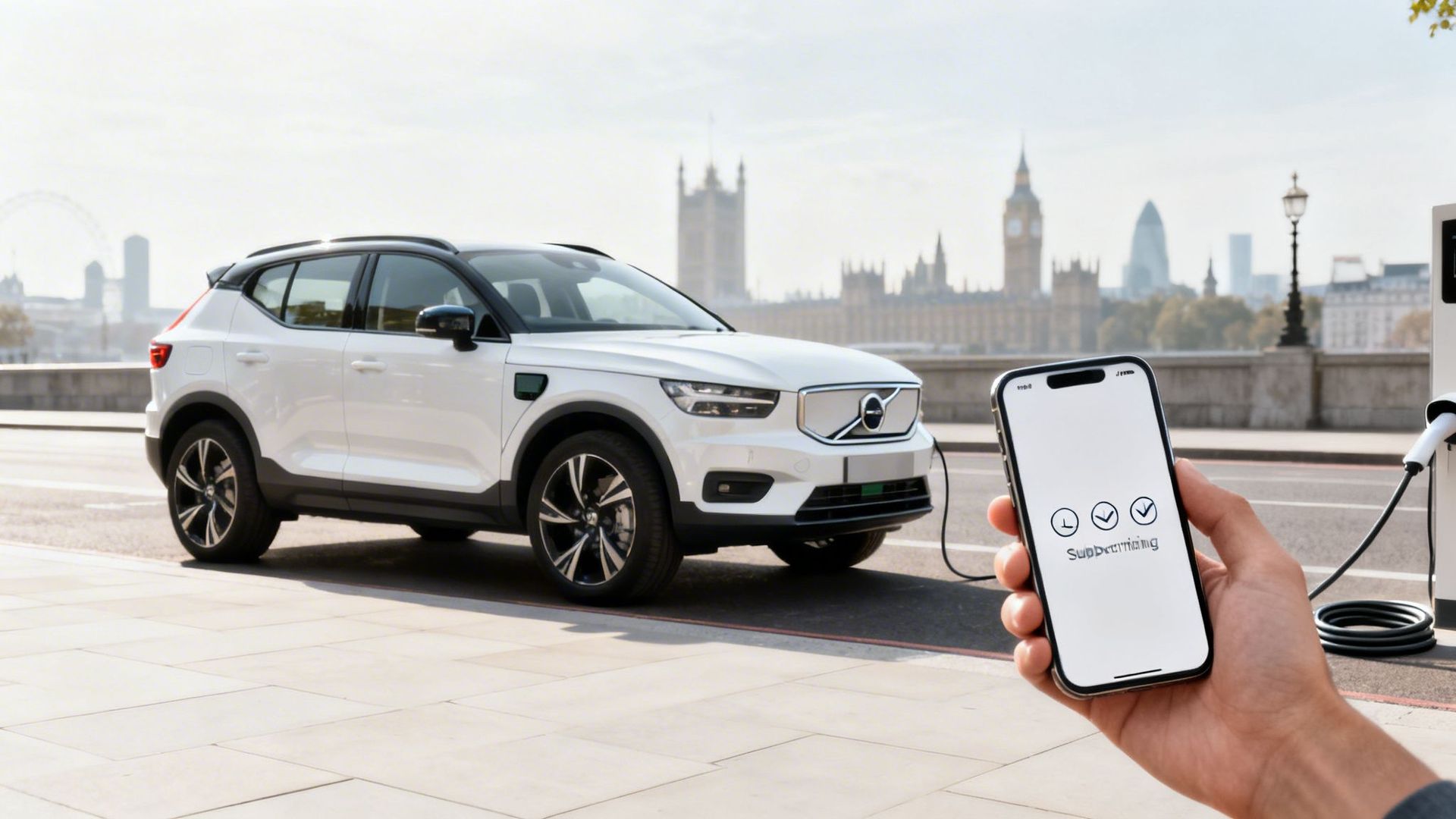
The availability of EV charging stations is a crucial factor in encouraging the adoption of electric vehicles. Many potential EV owners hesitate to make the switch due to concerns over charging accessibility and convenience. By investing in a widespread and reliable charging network, these concerns can be alleviated. Charging stations placed strategically in urban areas, along highways, and in residential neighborhoods make it easier for drivers to recharge their vehicles without significant detours or delays. This convenience reduces range anxiety, a common barrier for many considering EVs. As charging solutions become more prevalent, they help normalize the use of electric vehicles, making them a more attractive option for consumers. Ultimately, supporting EV adoption through robust infrastructure aids in accelerating the transition to cleaner transportation. This shift not only benefits individual consumers but also contributes to broader environmental and economic goals.
Enhancing User Convenience
The presence of accessible EV charging stations dramatically enhances user convenience, making electric vehicle ownership more practical and enjoyable. By providing charging options at various locations such as workplaces, shopping centers, and public parking areas, EV owners can effortlessly integrate charging into their daily routines. This flexibility allows drivers to top up their vehicles while attending to daily tasks, minimizing downtime and maximizing the utility of their vehicles. Additionally, advancements in charging technologies, such as fast chargers and wireless charging solutions, further streamline the recharging process. These innovations reduce the time required to charge, offering users a seamless experience. As a result, EV drivers enjoy the freedom of longer journeys without the constant worry of finding a charging point. By prioritizing user convenience, the expansion of charging infrastructure directly supports the widespread adoption of electric vehicles, creating a more sustainable and user-friendly transportation landscape.
Promoting Environmental Sustainability
Investing in EV charging infrastructure is a significant step towards promoting environmental sustainability. By facilitating the wider adoption of electric vehicles, charging stations help reduce carbon emissions, a major contributor to climate change. Unlike conventional vehicles that rely on fossil fuels, EVs produce zero tailpipe emissions, significantly lowering the carbon footprint of transportation. This environmental benefit is amplified as the electricity used for charging increasingly comes from renewable sources, such as wind and solar power. Furthermore, businesses and communities that support EV infrastructure demonstrate a commitment to sustainability, aligning with broader environmental goals. This commitment can enhance an organization's reputation and appeal to eco-conscious consumers. By contributing to the growth of a cleaner transportation network, investing in charging stations not only supports individual sustainability efforts but also fosters a collective move towards a greener future. This shift is crucial in addressing global environmental challenges and ensuring a healthier planet for future generations.
Economic and Community Benefits:
Driving Economic Growth
The installation of EV charging stations can significantly drive economic growth. As the demand for electric vehicle infrastructure rises, so do job opportunities in manufacturing, installation, and maintenance of these stations. This stimulates local economies by creating new employment avenues and supporting small businesses in the supply chain. Moreover, businesses that offer EV charging facilities can attract a growing demographic of eco-conscious consumers, increasing foot traffic and potentially boosting sales. This influx of customers can lead to higher revenues and improved customer loyalty. Real estate owners can also benefit, as properties equipped with charging stations may see an increase in value, appealing to tenants and buyers who prioritize sustainability. Additionally, supporting electric vehicle infrastructure aligns with governmental policies aimed at reducing carbon emissions, which can open doors to financial incentives and grants. Overall, investing in EV charging stations not only supports environmental goals but also fosters a thriving economic landscape.
Enhancing Property Value
Installing EV charging stations can significantly enhance property value by aligning with the increasing demand for sustainable living and working environments. As electric vehicles become more prevalent, potential tenants and buyers are prioritizing properties that offer convenient charging solutions. This feature not only attracts eco-conscious individuals but also positions properties as forward-thinking and environmentally responsible. By offering charging infrastructure, property owners can differentiate their assets in a competitive real estate market, potentially commanding higher prices or rental rates. Additionally, properties with EV charging stations may also qualify for certain incentives and certifications, such as LEED, which further boosts their appeal. As sustainability becomes a priority for many, properties equipped with EV charging stations can cater to a broader market. This strategic enhancement not only improves the immediate attractiveness of a property but also ensures its long-term competitiveness in an evolving market landscape focused on sustainability and green living.
Meeting Regulatory Requirements
As governments worldwide tighten regulations to curb carbon emissions, the necessity for EV charging infrastructure becomes more pressing. By proactively installing charging stations, businesses and property owners can ensure compliance with these evolving regulations, avoiding potential penalties and fines. Many jurisdictions are implementing mandates that require new developments and existing properties to incorporate a certain level of EV charging capacity. Meeting these requirements not only avoids legal repercussions but also positions businesses and properties as leaders in sustainability. Being proactive in this aspect can also provide access to various incentives, grants, and rebates that governments offer to promote green initiatives. Furthermore, aligning with regulatory standards showcases a commitment to environmental stewardship, enhancing reputation and corporate responsibility. By staying ahead of regulatory trends, businesses and communities not only fulfill legal obligations but also contribute to a cleaner, more sustainable future. This foresight can lead to long-term benefits, both environmentally and economically.
Exploring EV Charging Technologies:
Level 1 and Level 2 Chargers
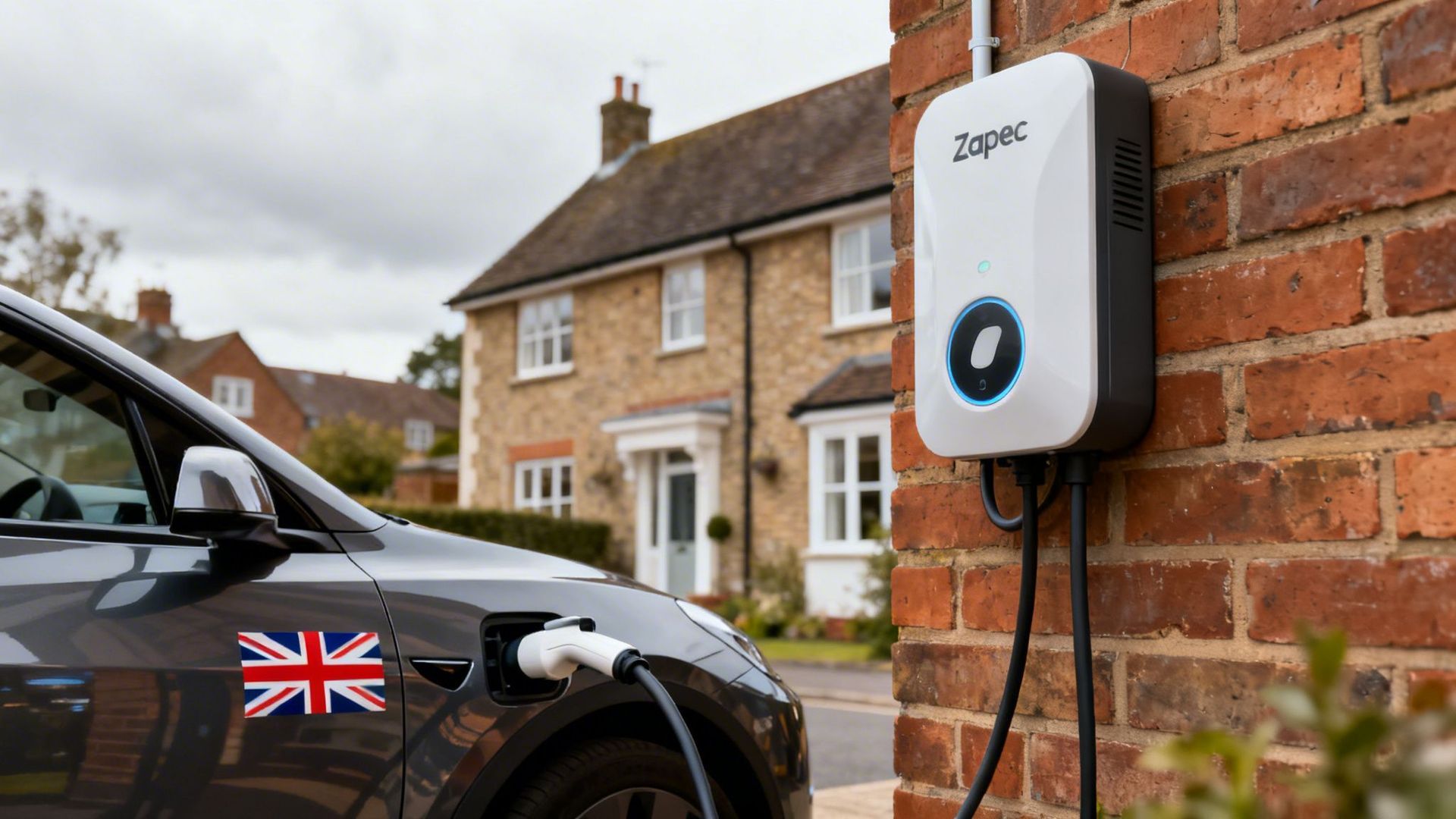
Level 1 and Level 2 chargers are the most common types of EV charging solutions available today, each serving different needs. Level 1 chargers use a standard 120-volt outlet, making them a convenient option for home use. They offer slower charging speeds, typically adding about 3-5 miles of range per hour. This makes them ideal for overnight charging where time is less of a constraint. On the other hand, Level 2 chargers require a 240-volt outlet, similar to those used by large household appliances. They provide significantly faster charging, adding about 10-20 miles of range per hour, and are often found in public charging stations, workplaces, and commercial properties. These chargers are suitable for locations where vehicles are parked for several hours, such as during work or shopping. By offering both Level 1 and Level 2 charging options, businesses and residences can accommodate a wide range of driver needs, promoting greater EV adoption.
DC Fast Chargers and Their Importance
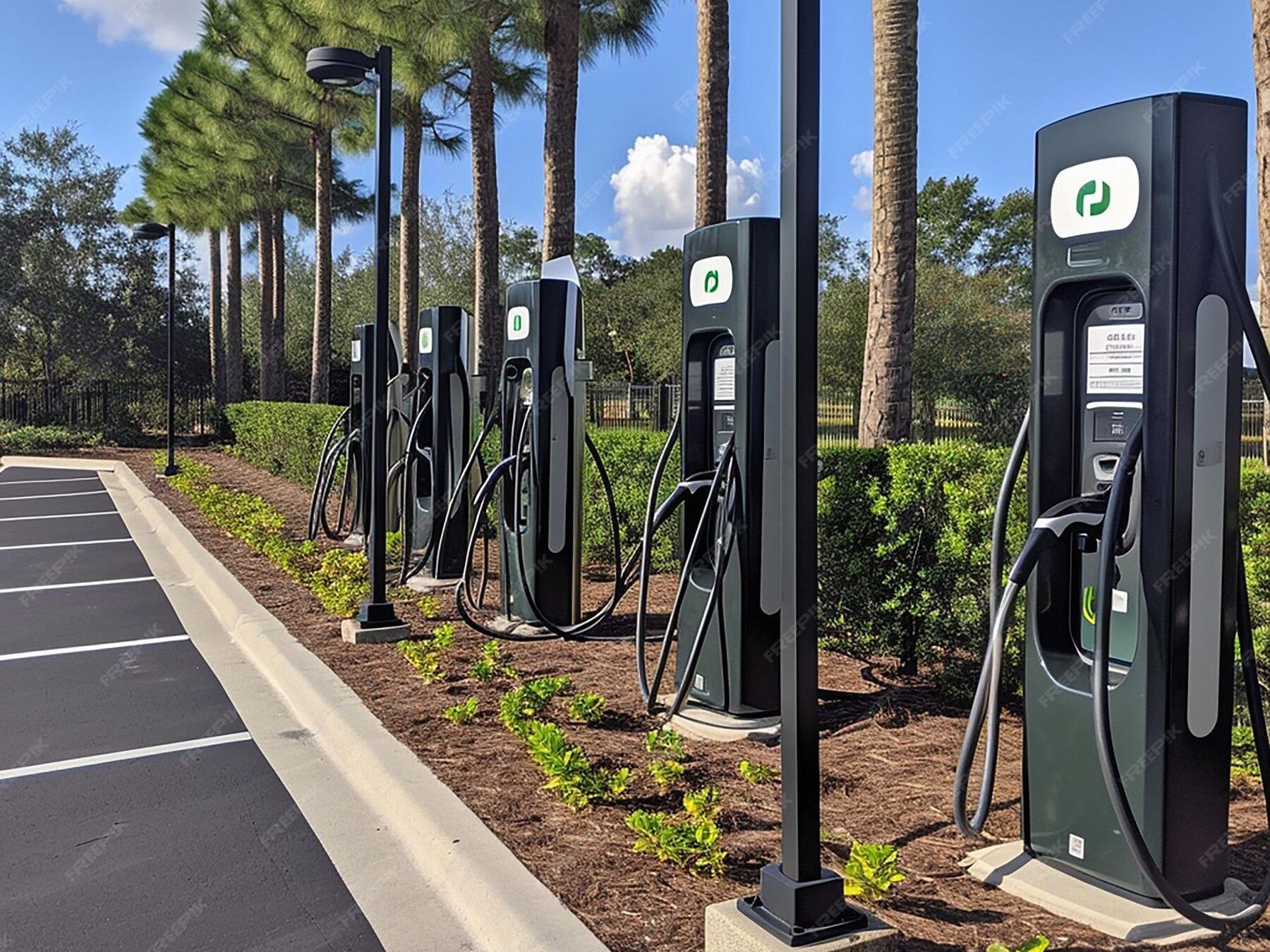
DC fast chargers are a vital component of the EV charging landscape, offering rapid charging capabilities that cater to drivers on the go. Unlike Level 1 and Level 2 chargers, DC fast chargers use direct current to deliver high-voltage electricity directly to the vehicle's battery. This allows EVs to be charged to 80% within 20 to 30 minutes, making them ideal for long-distance travel and quick top-ups. DC fast chargers are commonly located along major highways and at high-traffic locations, providing essential infrastructure for reducing range anxiety among EV users. Their presence is crucial for supporting the adoption of electric vehicles, especially for those who rely on their cars for frequent, long journeys. By facilitating faster charging times, these chargers enhance the practicality of EVs, encouraging more drivers to make the switch from conventional vehicles. As EV technology continues to advance, DC fast chargers will remain integral to a comprehensive, efficient charging network.
Emerging Wireless Charging Technology
Wireless charging technology for electric vehicles is an emerging field that promises to revolutionize the convenience of charging. By eliminating the need for physical connectors, this technology uses electromagnetic fields to transfer energy from a charging pad on the ground to a receiver on the vehicle. This innovation allows for seamless charging experiences, where drivers simply park over a charging pad to replenish their vehicle's battery. Wireless charging is particularly beneficial in urban environments, where traditional charging stations may be less feasible due to space constraints. It also offers potential applications in dynamic charging, where vehicles charge while in motion on specially equipped roads. This could significantly enhance the practicality of electric vehicles by reducing downtime and enabling continuous operation. As the technology develops, wireless charging is expected to become more efficient and widely adopted, offering a new level of convenience and accessibility in the EV charging infrastructure. This advancement could greatly accelerate the transition to electric mobility.
Find out more below:
https://www.voltsmonster.com/
VoltsMonster Electric Vehicle Blog