How EVs are Influencing Urban Mobility and Smart Cities
This is a subtitle for your new post

How EVs are Influencing Urban Mobility and Smart Cities
As urban areas grapple with increasing population densities and environmental challenges, electric vehicles (EVs) are emerging as key players in transforming urban mobility and the development of smart cities. These vehicles offer a cleaner, quieter, and more efficient alternative to traditional transportation, contributing significantly to air pollution reduction and traffic congestion alleviation. By integrating with smart city infrastructures, such as smart grids and vehicle-to-grid (V2G) technologies, EVs promote sustainable transport and enhance the flexibility of urban infrastructures. This document explores the profound impact of electric vehicles on reshaping city landscapes and the pivotal role they play in fostering sustainable urban mobility solutions.
Cleaner and Quieter Urban Environments:
Reducing Air Pollution with EVs
Electric vehicles (EVs) significantly contribute to reducing air pollution in urban environments. Unlike traditional internal combustion engine vehicles, EVs produce zero tailpipe emissions, which means they do not emit harmful pollutants such as nitrogen oxides and particulate matter. These pollutants are known to degrade air quality and pose serious health risks to city inhabitants. By replacing fossil-fuel-powered vehicles with EVs, cities can reduce their greenhouse gas emissions, leading to cleaner air and a healthier environment. This transition is crucial as urban areas continue to grow and face heightened environmental challenges. Furthermore, the broader adoption of EVs supports global efforts to combat climate change by decreasing reliance on fossil fuels and cutting carbon footprints. As cities prioritize sustainable transport solutions, the role of EVs in air pollution reduction will become increasingly essential, contributing to a more sustainable urban future.
Noise Pollution: A Quieter City
Electric vehicles (EVs) contribute to a significant reduction in urban noise pollution, a prevalent issue in densely populated areas. Traditional vehicles powered by internal combustion engines are notoriously loud, contributing to high levels of ambient noise that can adversely affect the quality of urban life. In contrast, EVs operate almost silently, thanks to their electric motors, which emit minimal sound. This reduction in noise pollution can lead to a more peaceful urban environment, enhancing the well-being of city dwellers and reducing stress levels associated with constant noise exposure. Quieter streets mean more pleasant living conditions and can even improve the ambiance of public spaces, encouraging outdoor activities and social interactions. As cities continue to embrace sustainable urban mobility, the shift towards electric vehicles promises a future where urban noise is significantly diminished, fostering environments that are not only cleaner but also more tranquil and livable.
Integration with Smart Infrastructure:
Smart Grids and Vehicle-to-Grid Technology
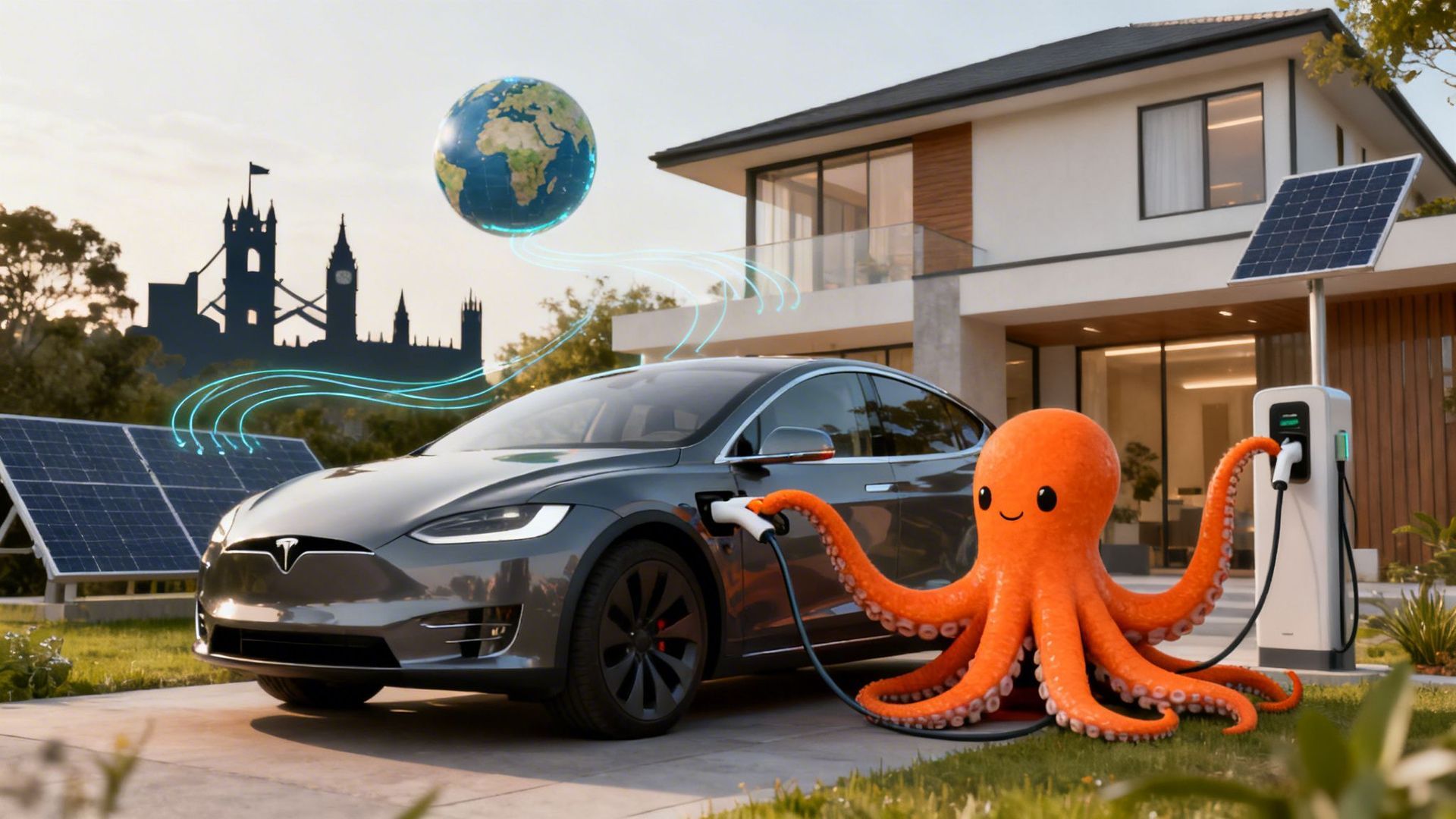
The integration of electric vehicles (EVs) with smart infrastructure is pivotal for the future of urban mobility. Smart grids, coupled with vehicle-to-grid (V2G) technology, enable a two-way interaction between EVs and the electrical grid. This system allows EVs to store energy during periods of low demand and return it to the grid during peak demand, effectively balancing energy supply and demand. Such integration enhances grid stability and promotes the efficient use of renewable energy resources, which are often intermittent. By facilitating energy storage and redistribution, V2G technology contributes to a more resilient and sustainable energy system. For cities aiming to decrease their carbon footprint and increase energy efficiency, these technologies are indispensable. They provide a framework for reducing reliance on fossil fuels and support the broader adoption of sustainable transport solutions. As EV adoption grows, the role of smart grids and V2G systems will become increasingly critical to urban infrastructure.
The Role of Smart Charging Stations
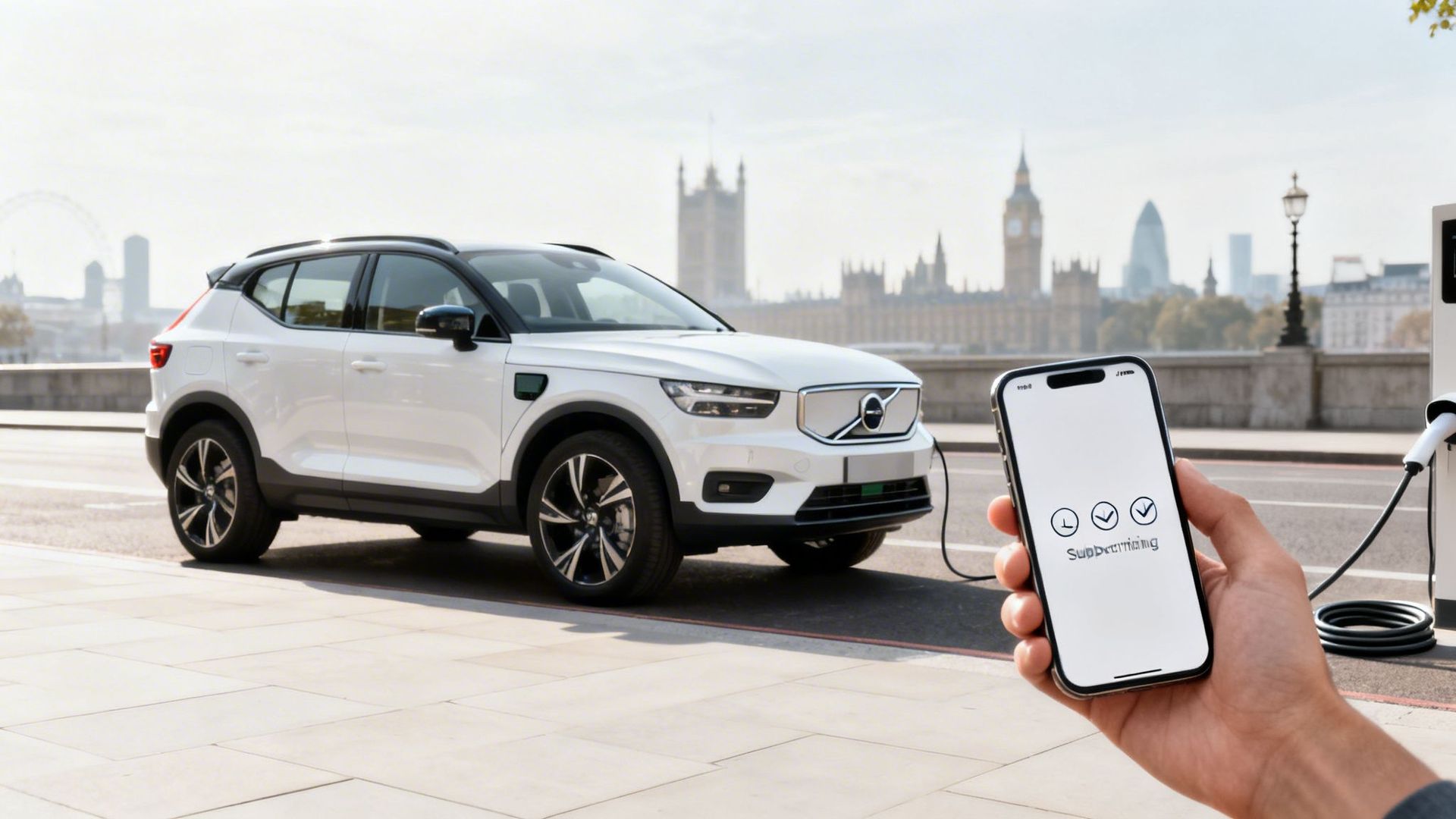
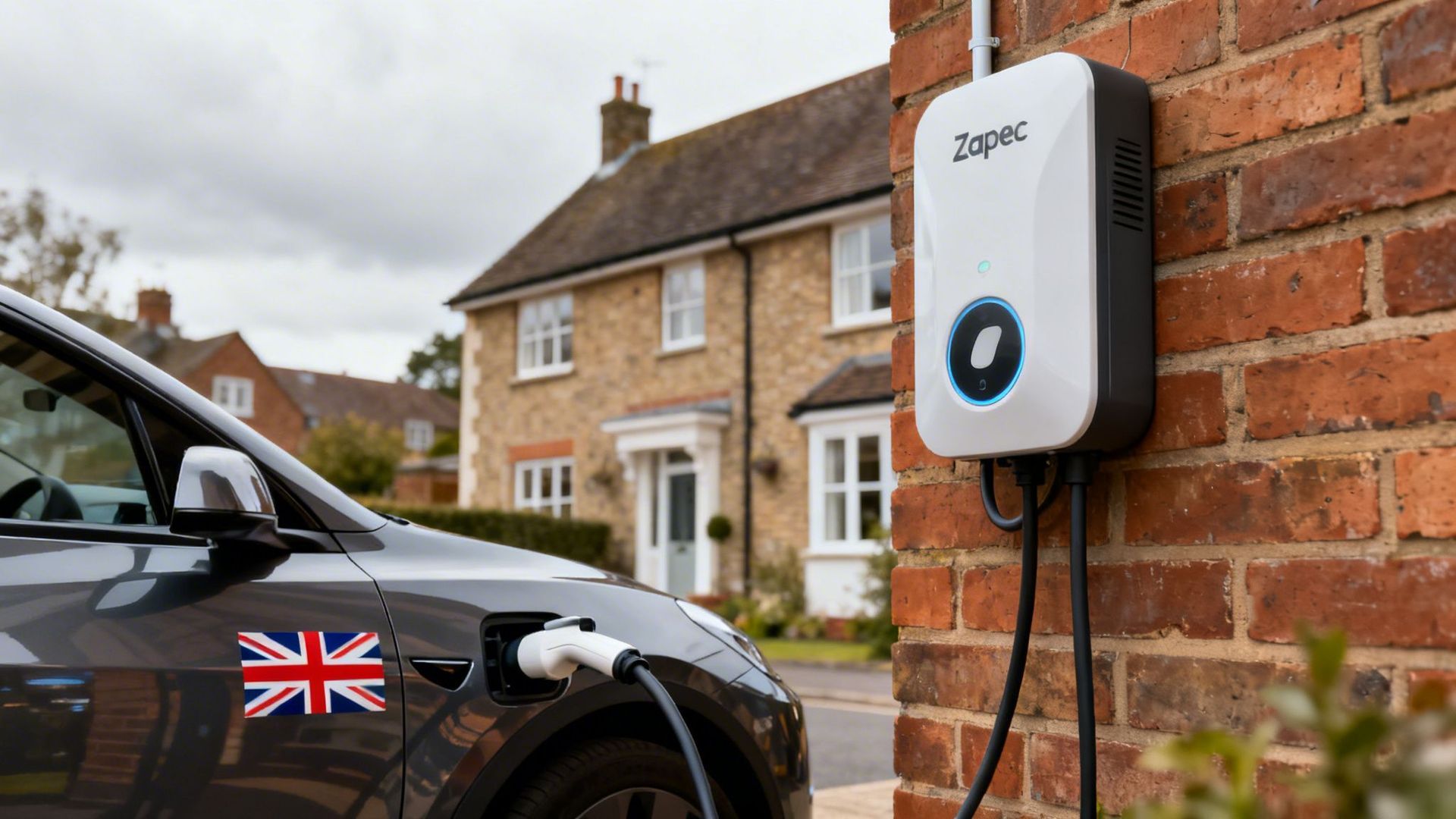
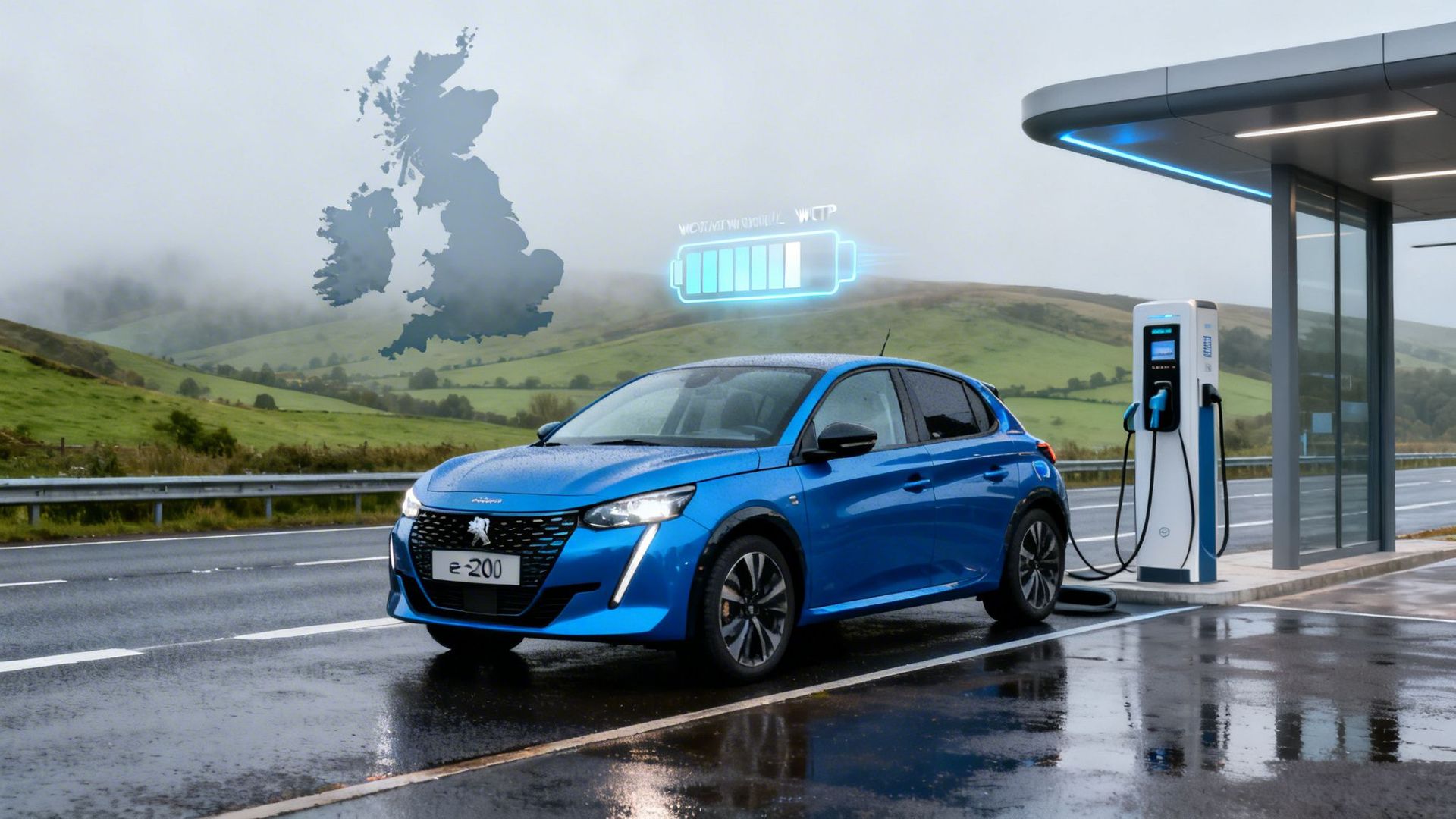
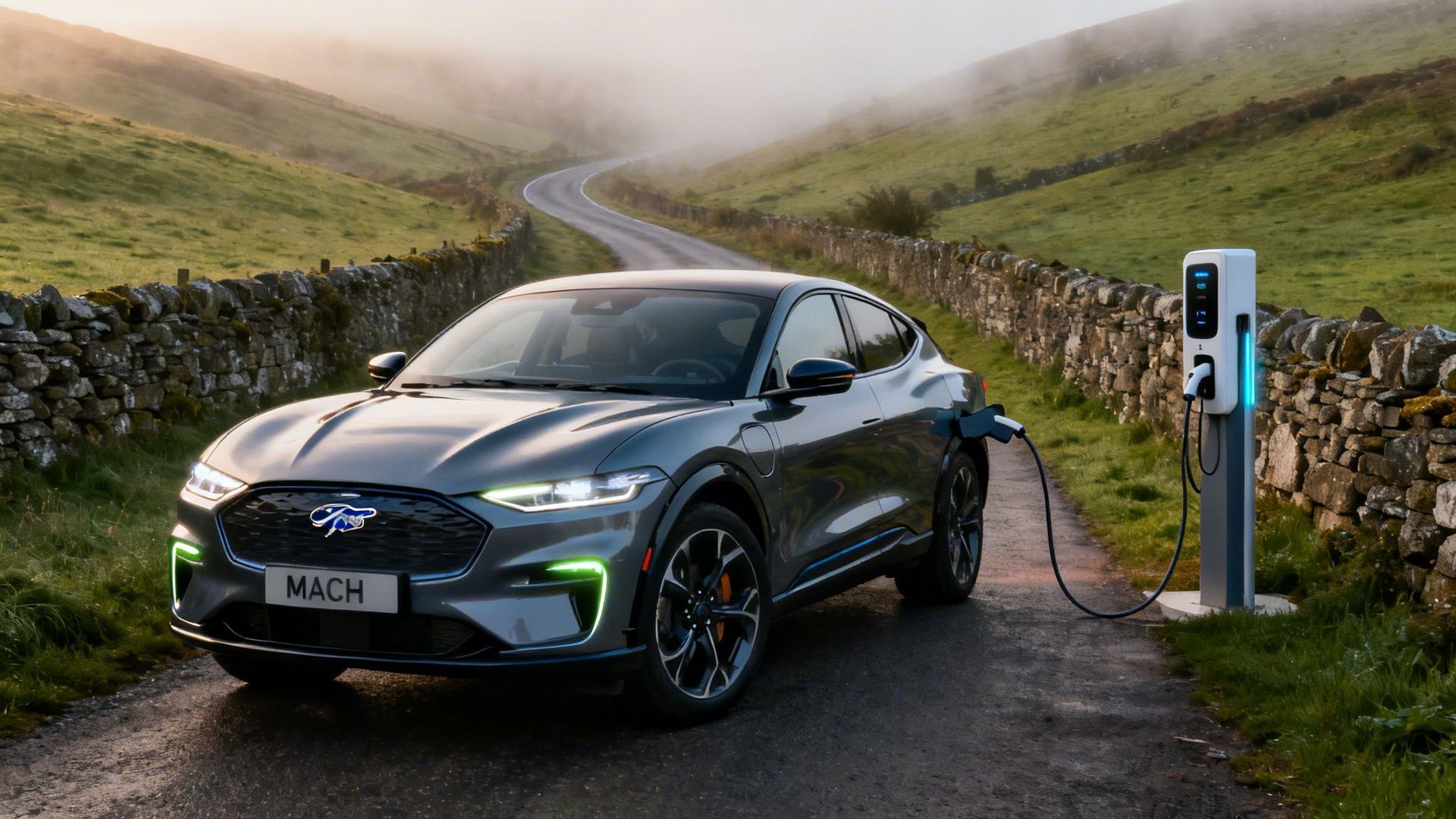
Smart charging stations are a crucial component in integrating electric vehicles (EVs) into urban infrastructure. As the number of EVs on the road increases, the demand for efficient and accessible charging solutions becomes paramount. Smart charging stations are designed to optimize the charging process by adjusting power distribution based on grid demand and availability. They can communicate with the grid to determine the best times for charging, thereby minimizing energy costs and preventing grid overloads. Additionally, these stations often incorporate data analytics to predict usage patterns and maintenance needs, ensuring reliability and efficiency. By strategically placing smart charging stations throughout urban areas, cities can support the widespread adoption of EVs and facilitate seamless urban mobility. These stations not only promote the efficient use of energy resources but also enhance the convenience and accessibility of electric mobility solutions, making them a vital part of sustainable urban planning.
Transforming Public Transit and Traffic Flow:
Electric Public Transit Revolution
Electric public transit is rapidly transforming urban mobility, offering a sustainable alternative to traditional diesel-powered public transportation systems. Cities worldwide are increasingly adopting electric buses, trams, and trains as part of their transit fleets. These electric public transit options lower greenhouse gas emissions and reduce air pollution, contributing to cleaner urban environments. Additionally, electric buses and trains often have lower operational costs due to reduced fuel consumption and maintenance needs, making them economically viable in the long term. The shift to electric public transit also supports noise pollution reduction, as electric vehicles operate more quietly than their internal combustion counterparts. This transformation not only enhances the quality of life for city residents but also aligns with global sustainability goals. By prioritizing electric mobility solutions, cities can develop more efficient, reliable, and environmentally friendly public transportation networks, paving the way for a future where urban mobility is both sustainable and accessible.
Addressing Traffic Congestion with EV Solutions
Electric vehicles (EVs) offer innovative solutions to address traffic congestion in urban areas. One prominent approach is the implementation of electric shared mobility services, such as electric car-sharing programs and electric bike and scooter rentals. These services reduce the need for private vehicle ownership, thereby decreasing the overall number of vehicles on the road. This helps to alleviate traffic congestion and improve traffic flow. Additionally, the development of autonomous electric vehicles (AEVs) promises further advancements in congestion management. AEVs can optimize routes and operate with greater efficiency, reducing the likelihood of traffic jams. By leveraging data and predictive analytics, fleets of AEVs can be deployed to provide on-demand transportation services that minimize congestion. The integration of these electric mobility solutions not only eases traffic but also enhances the efficiency and sustainability of urban transit systems, contributing to a more fluid and less congested urban environment.
Find out more below:
https://www.voltsmonster.com/
VoltsMonster Electric Vehicle Blog