How Electric Vehicles are Revolutionising Fleet Management
Driving Change: How Electric Vehicles are Transforming Fleet Management for a Sustainable Future

How Electric Vehicles are Revolutionising Fleet Management
Electric vehicles are revolutionizing the landscape of fleet management, offering a transformative approach to sustainable transport that combines cost savings and environmental benefits. As a fleet manager or business owner, you are at the forefront of this change, with electric fleet transitions presenting a unique opportunity to align operational efficiency with corporate sustainability goals. Government incentives and advancements in charging infrastructure make this transition more accessible and financially viable, paving the way for a cleaner future. Join the movement towards innovation and efficiency, and explore how electric vehicles can redefine your business's transportation strategy, setting you apart as a leader in modern, sustainable practices.
The Rise of Electric Fleets:
Cost Efficiency and Savings
Electric vehicles inherently offer a range of cost efficiencies that are increasingly attractive to fleet managers. The most significant savings come from reduced fuel costs, as electricity is generally cheaper than gasoline. Additionally, electric vehicles have fewer moving parts, which translates to lower maintenance costs. Without the need for oil changes, transmission work, or exhaust repairs, fleets can operate more economically over time. Moreover, EVs tend to have longer lifespans due to their simpler mechanics. While the initial purchase price of electric vehicles may be higher, the operational savings can offset this over several years. These cost benefits support a more predictable budget for fleet operators. Furthermore, businesses may take advantage of government incentives, such as tax credits and rebates, which can further alleviate upfront costs. This financial viability makes electric fleet transitions not only an environmentally forward choice but also a fiscally responsible one.
Environmental Benefits of EVs
Electric vehicles offer significant environmental advantages, making them an attractive option for fleet management. By transitioning to electric fleets, businesses can greatly reduce their carbon footprint. Unlike traditional vehicles, EVs produce zero tailpipe emissions, which contributes to improved air quality and a decrease in greenhouse gas emissions. This shift not only aligns with corporate sustainability goals but also enhances a business's image as an environmentally responsible entity. In many regions, reducing emissions is becoming a regulatory requirement, and electric vehicles help companies stay ahead of these mandates. Furthermore, as the energy grid becomes greener with increased renewable energy sources, the environmental impact of operating electric vehicles continues to decrease. This shift supports a broader movement towards sustainable transport, promoting a cleaner and healthier environment for future generations. The adoption of electric vehicles thus represents a crucial step in addressing climate change and fostering sustainable business practices.
Government Incentives for EV Adoption
One of the driving factors behind the rise of electric fleets is the array of government incentives designed to encourage EV adoption. These incentives can significantly ease the financial burden of switching to electric vehicles. Many governments offer tax credits, rebates, and grants that help offset the initial costs associated with purchasing EVs and installing necessary charging infrastructure. For fleet managers, these incentives can make the transition more economically feasible, allowing them to invest in sustainability without compromising their budget. Moreover, some regions offer reduced registration fees and preferential access to low-emission zones, which can further enhance operational savings. By taking advantage of these programs, businesses not only improve their bottom line but also contribute to national and global sustainability goals. Staying informed about available incentives and strategically leveraging them can be pivotal in accelerating the adoption of electric vehicles within fleets, driving both environmental and economic benefits.
Benefits of Electric Fleets:
Lower Operating Costs Explained
Transitioning to electric vehicles can lead to substantial operating cost reductions for fleet managers. The primary area of savings is fuel expenditure, as electricity is significantly cheaper than gasoline or diesel. This cost differential becomes even more apparent over the lifespan of a vehicle, resulting in major financial savings. Additionally, electric vehicles require less maintenance due to their simpler mechanics, which lack the complex transmission systems and exhaust components found in conventional vehicles. The absence of oil changes and fewer moving parts translate to reduced maintenance costs and less frequent servicing. These factors combine to offer a lower total cost of ownership for electric vehicles compared to traditional fleet vehicles. Furthermore, electric vehicles often benefit from longer warranties and lower depreciation rates, adding more value to the investment. For businesses, these savings can be redirected towards other operational needs, making the switch to electric fleets not only environmentally beneficial but also economically sound.
Enhanced Efficiency and Compliance
Electric vehicles contribute to enhanced operational efficiency and regulatory compliance for fleets. Many EVs come equipped with advanced technologies such as regenerative braking and telematics systems. These features help optimize energy use and improve route planning, leading to more efficient fleet operations. Regenerative braking, for example, captures energy usually lost during braking and recycles it back into the battery, thereby extending vehicle range and reducing energy consumption. Moreover, integrated telematics allow fleet managers to monitor vehicle performance in real-time, enabling proactive maintenance and reducing downtime.
On the compliance front, adopting electric vehicles helps businesses meet increasingly stringent emissions regulations. Many regions are implementing low-emission zones and stricter environmental standards, which can impose penalties on high-emission vehicles. By switching to electric fleets, companies can avoid these fines and stay ahead of regulatory changes. This not only ensures smooth operations but also enhances the organization's reputation as a responsible and forward-thinking entity.
Boosting Employee Satisfaction
Integrating electric vehicles into a company's fleet can significantly enhance employee satisfaction, offering a modern and environmentally friendly transportation option. Employees increasingly value sustainability and are drawn to companies that prioritize eco-friendly practices. Providing access to electric vehicles demonstrates a commitment to environmental responsibility, which can improve morale and foster a sense of pride among staff. Additionally, EVs often feature advanced technology and enhanced driving experiences, contributing to a more enjoyable and comfortable journey for employees.
Furthermore, companies that offer electric vehicles as part of their fleet can stand out in competitive job markets, attracting talent who prioritize working for environmentally conscious employers. This alignment with employee values can lead to higher job satisfaction and potentially improve retention rates. By investing in electric vehicles, businesses not only support their sustainability goals but also create a positive work environment that can boost productivity and employee loyalty.
Challenges and Considerations:
Charging Infrastructure Needs
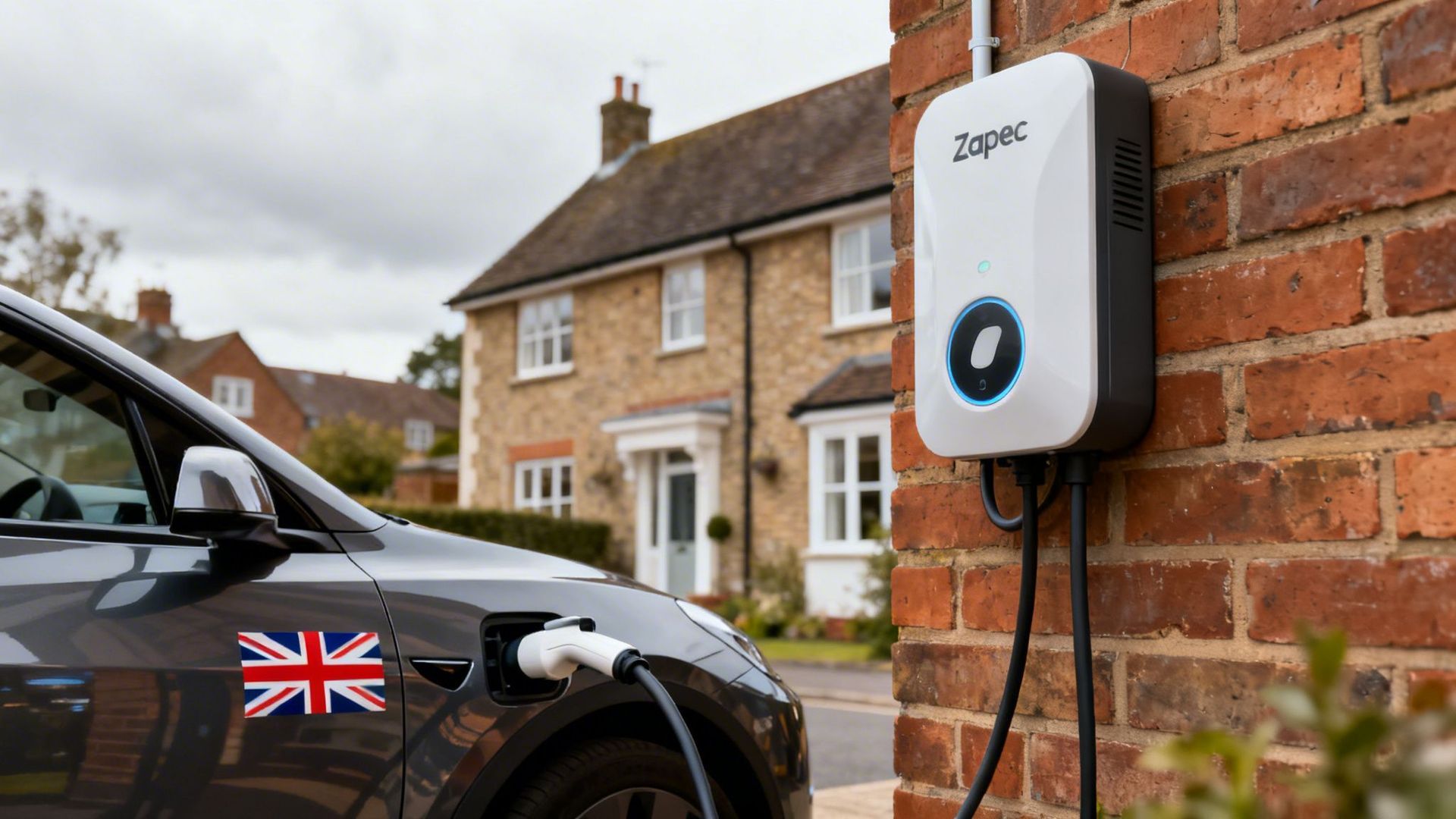
One of the primary challenges in transitioning to electric fleets is establishing a robust charging infrastructure. For businesses, ensuring that vehicles have consistent access to charging stations is crucial for maintaining operational efficiency. This involves installing adequate charging facilities at company premises, which can require significant upfront investment and planning. Furthermore, businesses must consider the availability of public charging networks for vehicles that operate over long distances or travel routes beyond the base location.
Developing a comprehensive charging strategy is essential, which includes evaluating power requirements, installation costs, and potential partnerships with charging service providers. Additionally, businesses should stay informed about advancements in charging technology, such as faster charging solutions and smart charging systems that optimize energy use. By addressing these infrastructure needs, companies can ensure that their electric fleets operate smoothly and efficiently. Proper planning and investment in charging facilities not only mitigate operational disruptions but also support a seamless transition to sustainable fleet management.
Initial Investment and Analysis
Transitioning to an electric fleet involves a substantial initial investment, which can be a significant hurdle for many businesses. The costs encompass the purchase of electric vehicles, installation of charging infrastructure, and potential upgrades to existing facilities. Despite these upfront expenses, a thorough cost-benefit analysis can reveal long-term financial advantages. Businesses should evaluate the total cost of ownership, factoring in reduced fuel and maintenance costs, as well as potential savings from government incentives.
A strategic approach involves assessing which parts of the fleet are best suited for electrification based on usage patterns and operational needs. Moreover, organizations might consider starting with a pilot program to gauge the benefits and challenges before a full-scale rollout. By carefully analyzing these factors, businesses can make informed decisions that align with their financial and sustainability goals. With proper planning, the significant initial investment can lead to substantial operational savings and position the company as a leader in sustainable practices.
Vehicle Range and Suitability
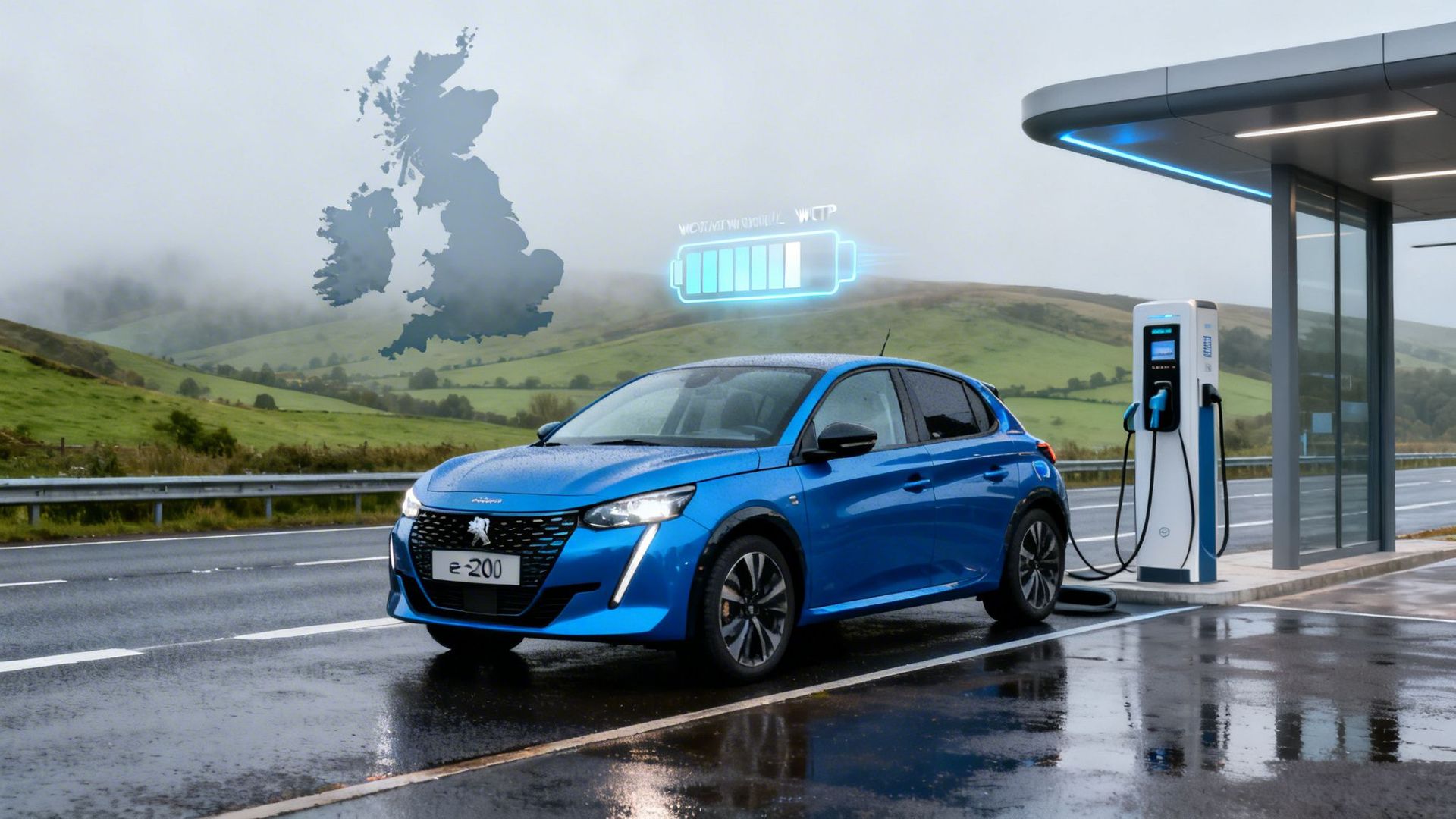
When considering the shift to electric fleets, evaluating vehicle range and suitability is essential. While advancements in battery technology have extended the range of electric vehicles, it's crucial to ensure that these vehicles meet the specific operational needs of your business. This includes assessing daily mileage requirements, routes, and the availability of charging stations along those routes. For fleets that cover longer distances, range anxiety remains a concern, making it vital to choose EVs with sufficient range capabilities.
Additionally, the suitability of electric vehicles varies depending on the type of fleet operations. For instance, urban delivery services may benefit significantly from EVs due to their lower emissions and efficiency in stop-and-go traffic. Conversely, for long-haul operations, businesses might need to consider hybrid solutions until ultra-long-range EVs become more viable. Conducting a comprehensive analysis of your fleet's needs will help determine the most fitting electric vehicles, ensuring smooth and efficient integration.
Find out more below:
https://www.voltsmonster.com/
VoltsMonster Electric Vehicle Blog